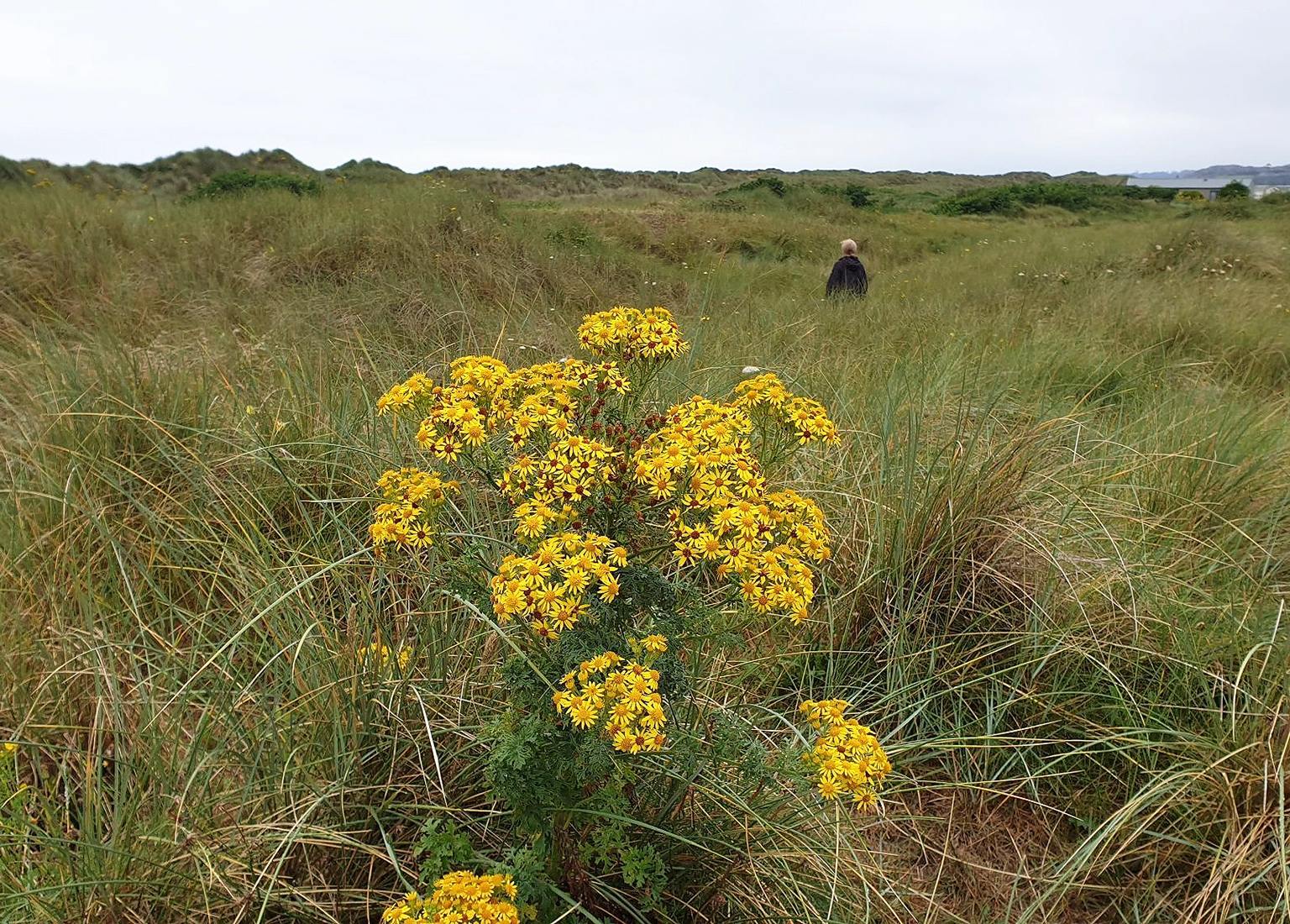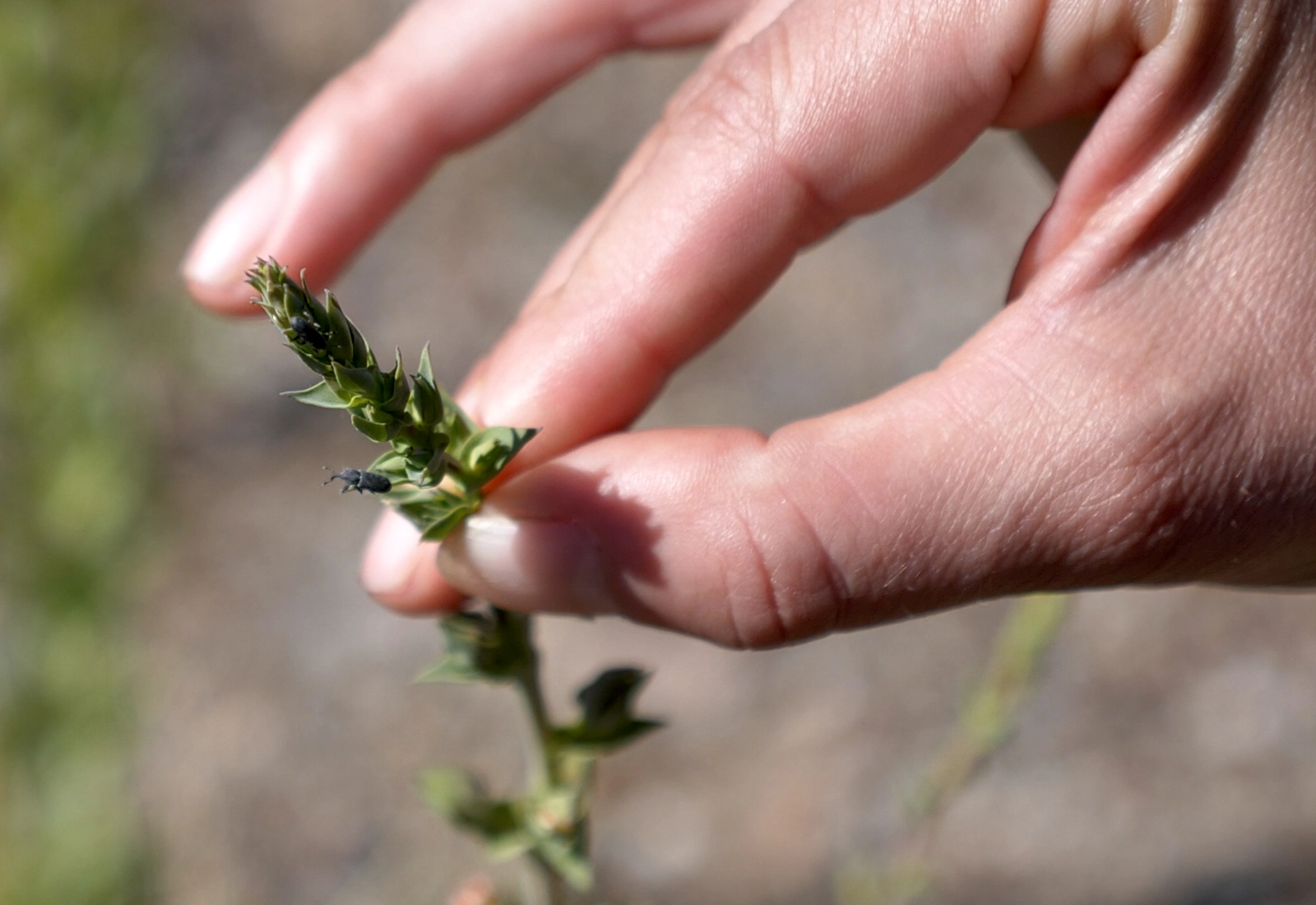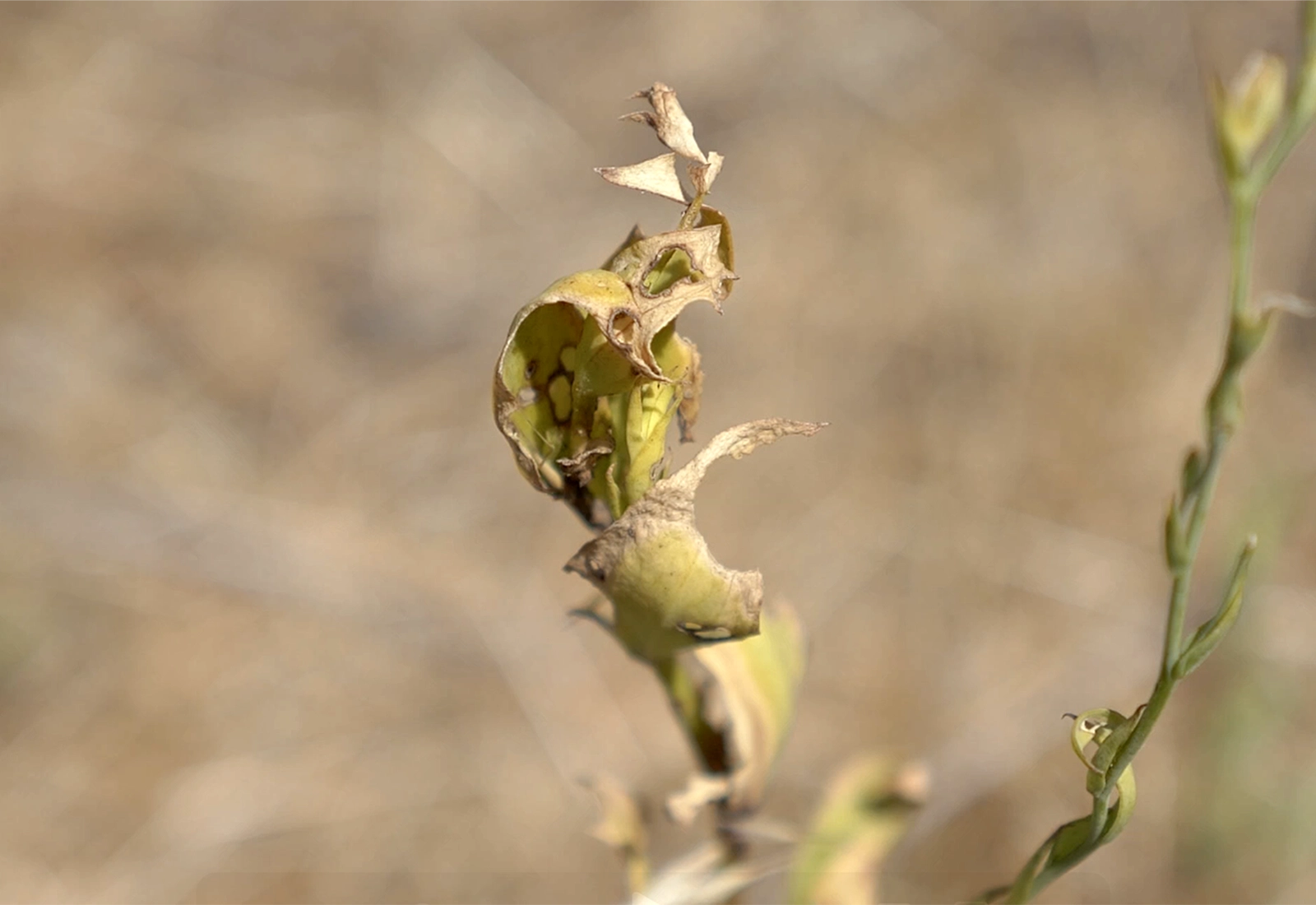

When biocontrol is deemed appropriate for managing weed infestations, careful planning is essential. Key considerations include selecting suitable release sites, choosing effective agents for your area, properly obtaining and releasing them, and monitoring program success. Understanding these elements before starting will improve implementation and increase the likelihood of success.
Choosing the best release sites
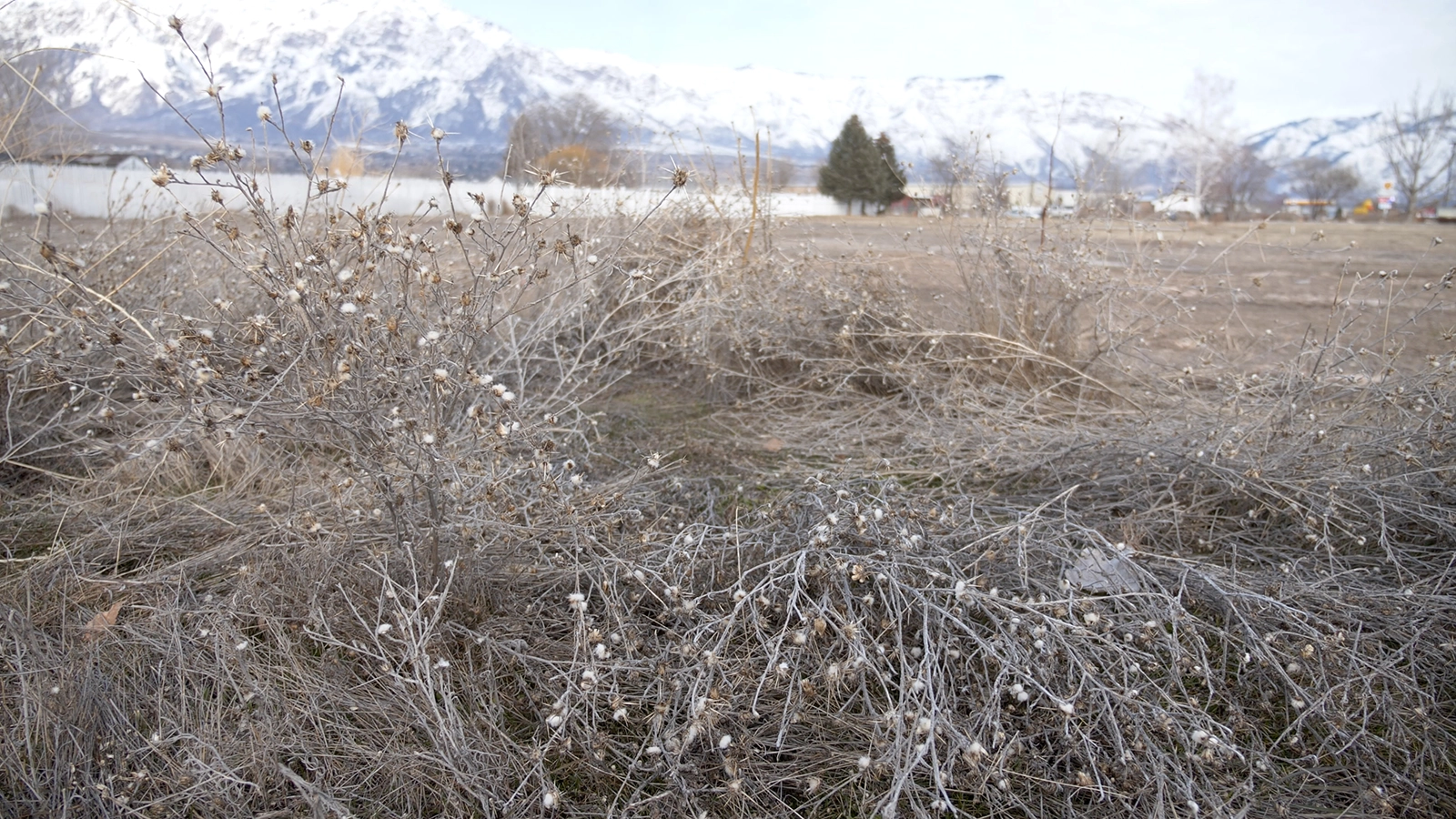
Several factors determine whether a location is suitable for biocontrol, including site characteristics, land use, existing biocontrol presence, current and future ownership, and accessibility.
Does the potential release site have suitable characteristics?
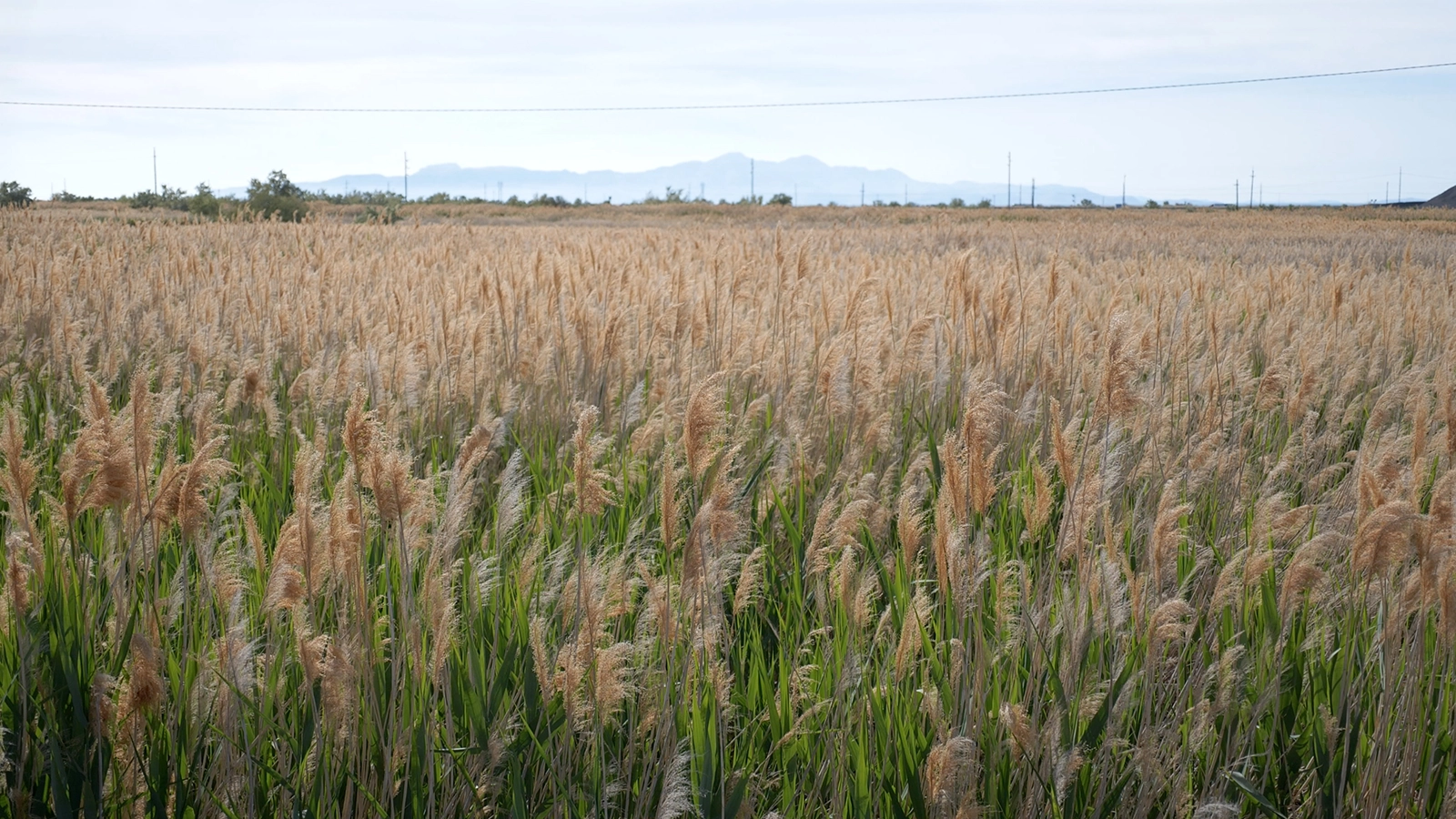
Biocontrol can be used for weed infestations of any size, but very small, isolated patches are often unsuitable because agent populations may not persist. Infestations of at least ¼ acre (0.1 ha) are typically needed for successful releases, with larger areas preferred, especially for field insectaries where agents can be collected for redistribution. Smaller sites may still be appropriate in special cases, such as sensitive habitats, satellite infestations, or areas where herbicides are prohibited. In all cases, biocontrol agents establish and spread more effectively in large, contiguous infestations than in scattered or isolated patches.
Because site suitability and agent requirements vary, predicting successful biocontrol establishment is difficult. Releasing agents at multiple sites increases the chances that at least one population will establish in each region and that a robust population will develop to serve as an insectary for future releases. To reduce the risk of spreading parasitoids or pathogens and to improve establishment success, agents should be collected as close to the release site as possible.
Is the potential release site likely to experience regular disturbance?
Select biocontrol release sites with minimal disturbance to allow agent populations to establish. Ideal sites include abandoned fields, vacant lots, and natural areas. Where possible, avoid areas with regular insecticide or herbicide use, heavy roadside dust, frequent mowing or burning, or planned land-use changes such as construction or cultivation. When agent supply is limited, prioritize sites that are unlikely to be disturbed.
Are biocontrol agents already present?
Before releasing biocontrol agents, check prospective sites to see if the agent is already present by looking for any life stage or characteristic damage. If the agent is well established, consider releasing it at a different site. If it is present at low levels, additional releases can be used to supplement the existing population.
Who owns the land?
Select sites with stable, long-term ownership to support lasting landowner agreements, ensure continued access for sampling and monitoring, and prevent management practices that could disrupt biocontrol activities. Confirm landowner permission before each visit, as ownership may change. If evaluating program effectiveness, establish permanent, accessible monitoring sites before releasing biocontrol agents. Consider terrain and access needs, and restrict site access—especially for research sites and insectaries—to authorized partners only.
Which biocontrol agents are likely to be most effective in your infestation?
The most effective biocontrol agents reduce target weed populations to acceptable levels. Releasing only the most effective agents is preferable, as some work only in specific habitats or climates, and others may compete or interfere with each other. For example, fluctuating winter water levels affect purple loosestrife agents differently: Galerucella beetles pupate in soil litter and may drown, while Hylobius beetles tolerate changing water levels. Consult local biocontrol experts, neighboring land managers, or this website’s Resource Library to identify the best agents for your site and management goals.
Which biocontrol agents are available?
Several approved biocontrol agents are established in continental North America, though availability varies by species and location. Contact your local biocontrol specialist to determine which approved agents are available and suitable for your target weed at your location.
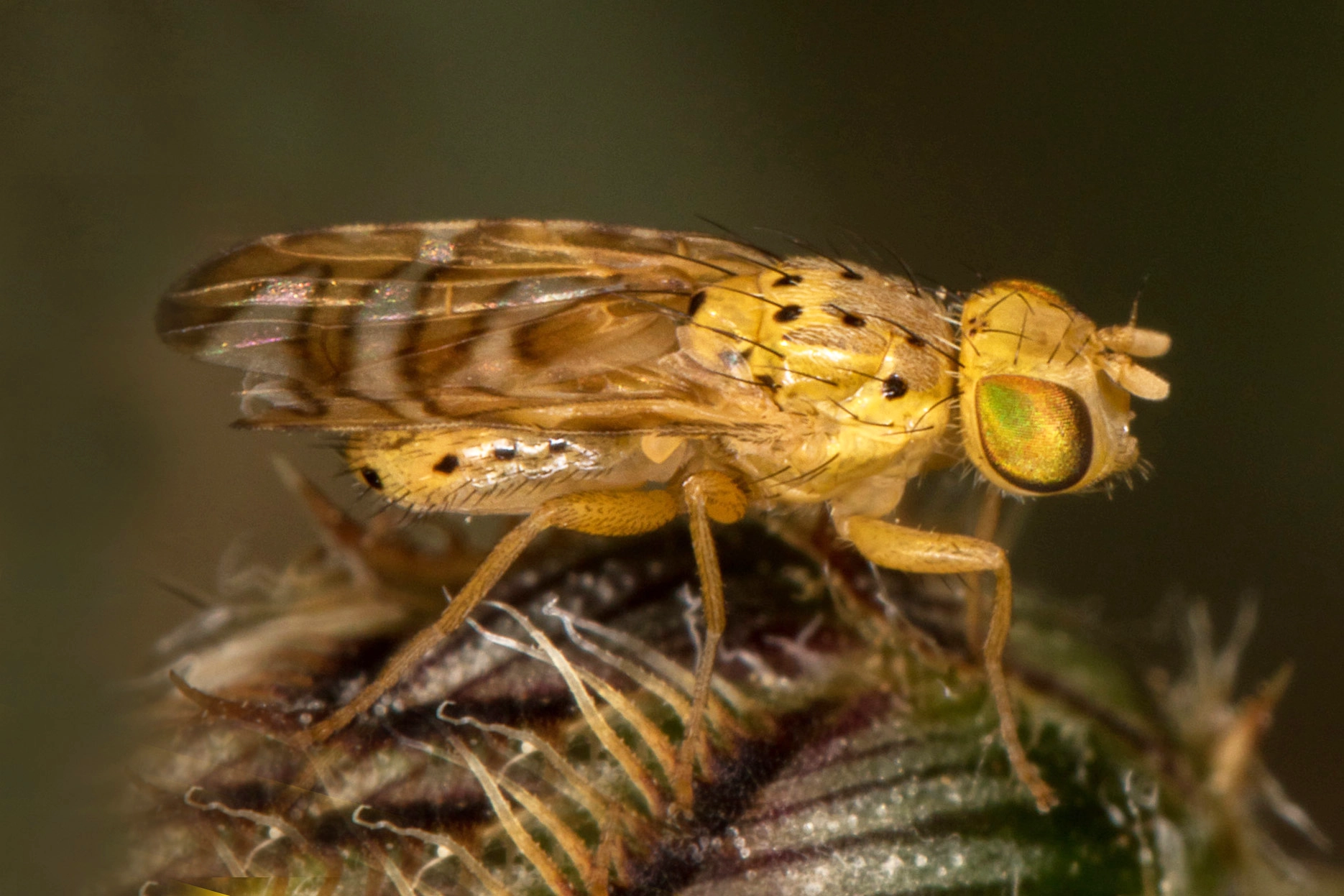
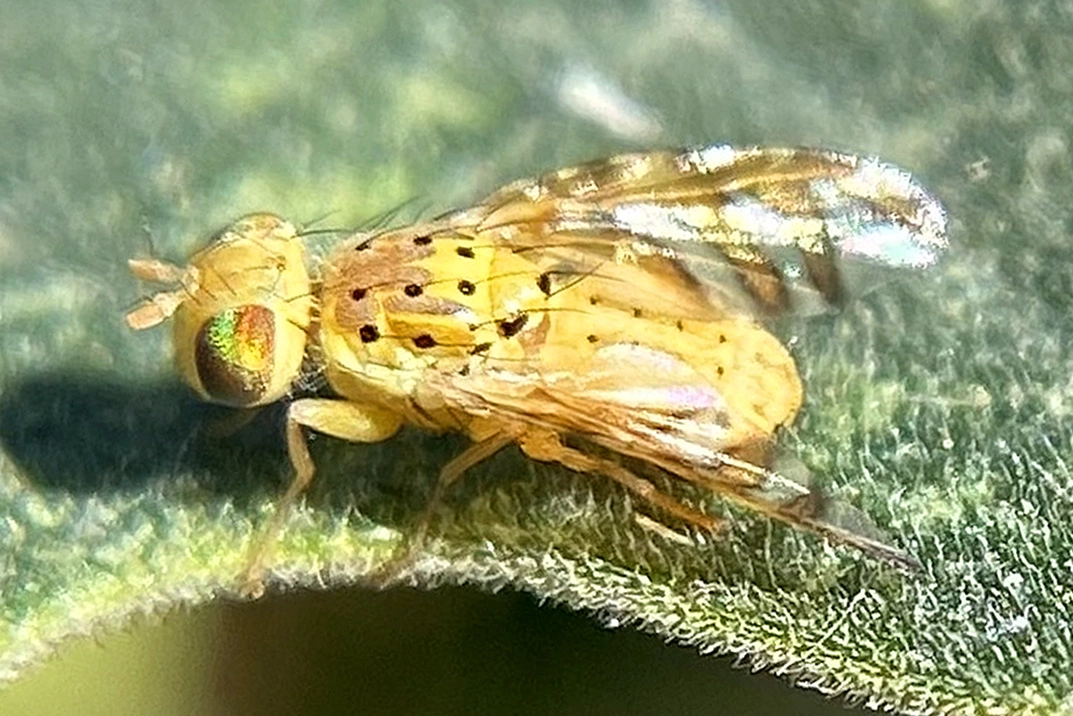
Some unintentionally introduced species are also established but are not approved for redistribution in the United States. Because these can closely resemble approved agents, accidental collection and redistribution may occur. Consult the Biocontrol Agent section of this website or your local biocontrol and extension experts to identify unapproved species.
Obtaining biocontrol agents
After selecting the most effective biocontrol agents for your target weed, you can obtain them by collecting, rearing, or purchasing, or by hiring someone to collect them for you.
Whenever possible, use locally sourced biocontrol agents. Local sources are more likely to be adapted to site conditions, available at the right time, and reduce the risk of introducing pathogens or natural enemies. These sources may include nearby properties or adjacent counties. In the U.S., transporting many biocontrol agents across state lines requires permits. In most states, a weed manager will have both biocontrol agents and valid permits, so check with your local weed biocontrol specialist first.
Caring for your biocontrol agents
Before obtaining biocontrol agents, ensure you understand proper care and have necessary supplies. Use rigid, ventilated containers that prevent crushing, escape, and condensation. Unwaxed paperboard cartons are ideal; light-colored lined containers or ventilated plastic containers are acceptable. Ventilation holes should be smaller than the agents. Do not use glass or metal containers.
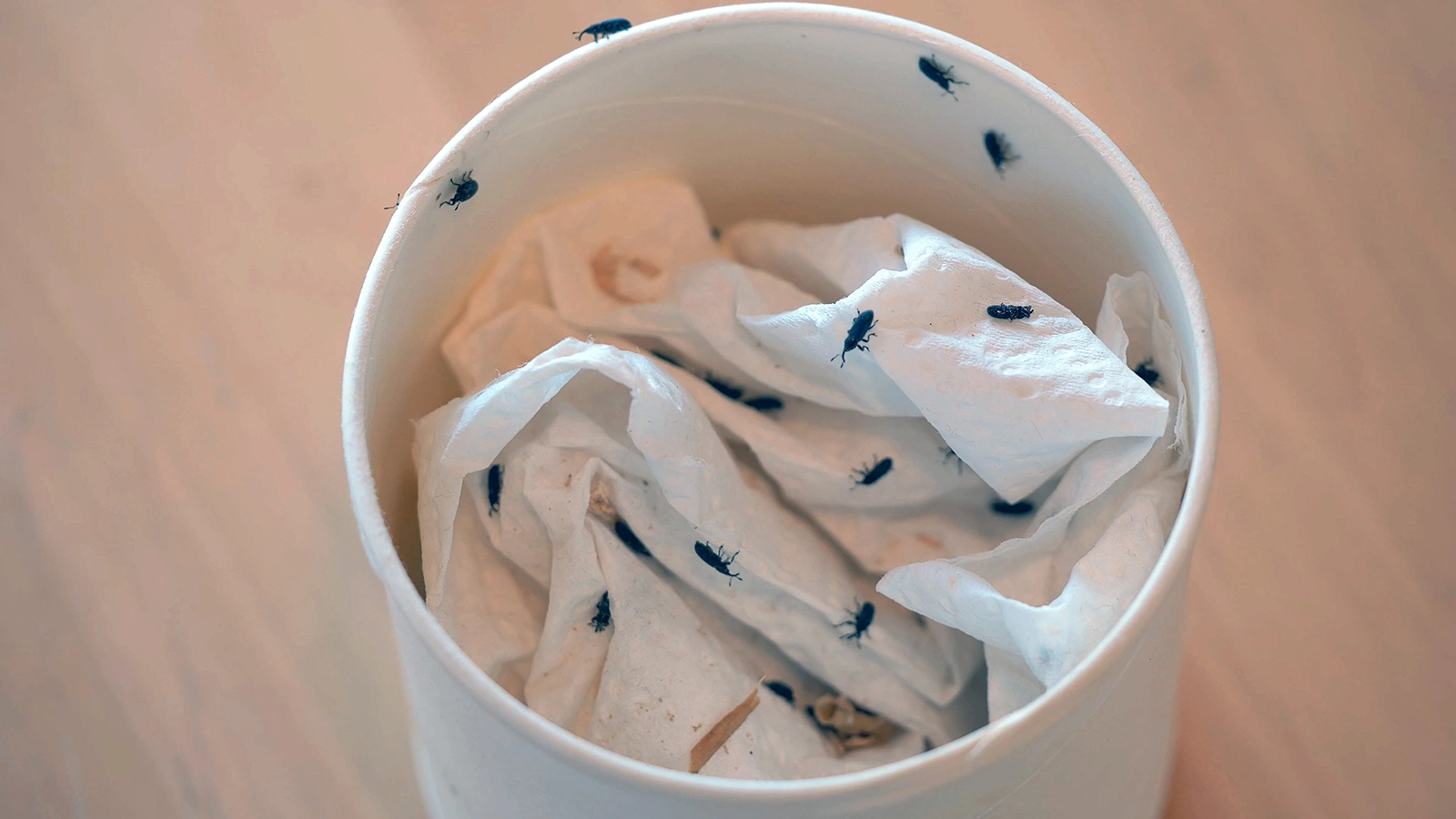
For insects, add crumpled tissue paper for shelter and humidity control, along with fresh, clean sprigs of target weed foliage free of roots, seeds, flowers, dirt, or other organisms. Do not place foliage in water. Secure lids with tape or rubber bands and label containers with the agent name and quantity, collection date and site, and collector name(s). When redistributing infested plant material, use sealable but breathable paper or gauze bags. Avoid plastic bags, which can cause rot or drowning. Keep infested material cool, especially during hot weather.
| DO |
| Use rigid but ventilated containers |
| Add crumpled tissue paper and sprigs of target weed |
| Seal and label each container |
| Keep containers in a refrigerator no lower than 40°F/4°C until release |
| Release as soon as possible |
| DONT |
| Use glass or metal containers |
| Allow roots, seeds, flowers, spiders, other insects in the containers |
| Keep containers in a hot vehicle or the dash of even a cool vehicle |
| Freeze insects |
| Store insects in containers for more than two days |
Store sorted and packaged biocontrol agents indoors in a refrigerator at 40°F (4°C) or higher for up to 48 hours before transport or shipment. For species that overwinter inside host plants (e.g., some beetles), infested plant material may be cold-stored over winter and released the following spring. Maintain plant material at 40–46°F (4–8°C) with about 60% humidity to keep agents alive and prevent premature emergence until host plants resume growth. For details, see this supplementary fact sheet or watch these biocontrol agent storage and transportation videos.
When should you try and obtain biocontrol agents?
The best time to obtain biocontrol agents depends on the agent species and the growth stage of the target weed at the release site. Timing guidance is available in extension publications such as the Field Guides for Biological Control of Weeds in the Northwest and Eastern North America, which can be found in this website’s Resource Library. Local weed biocontrol experts can also provide area-specific recommendations.
How can “field days” be used to obtain biocontrol agents?
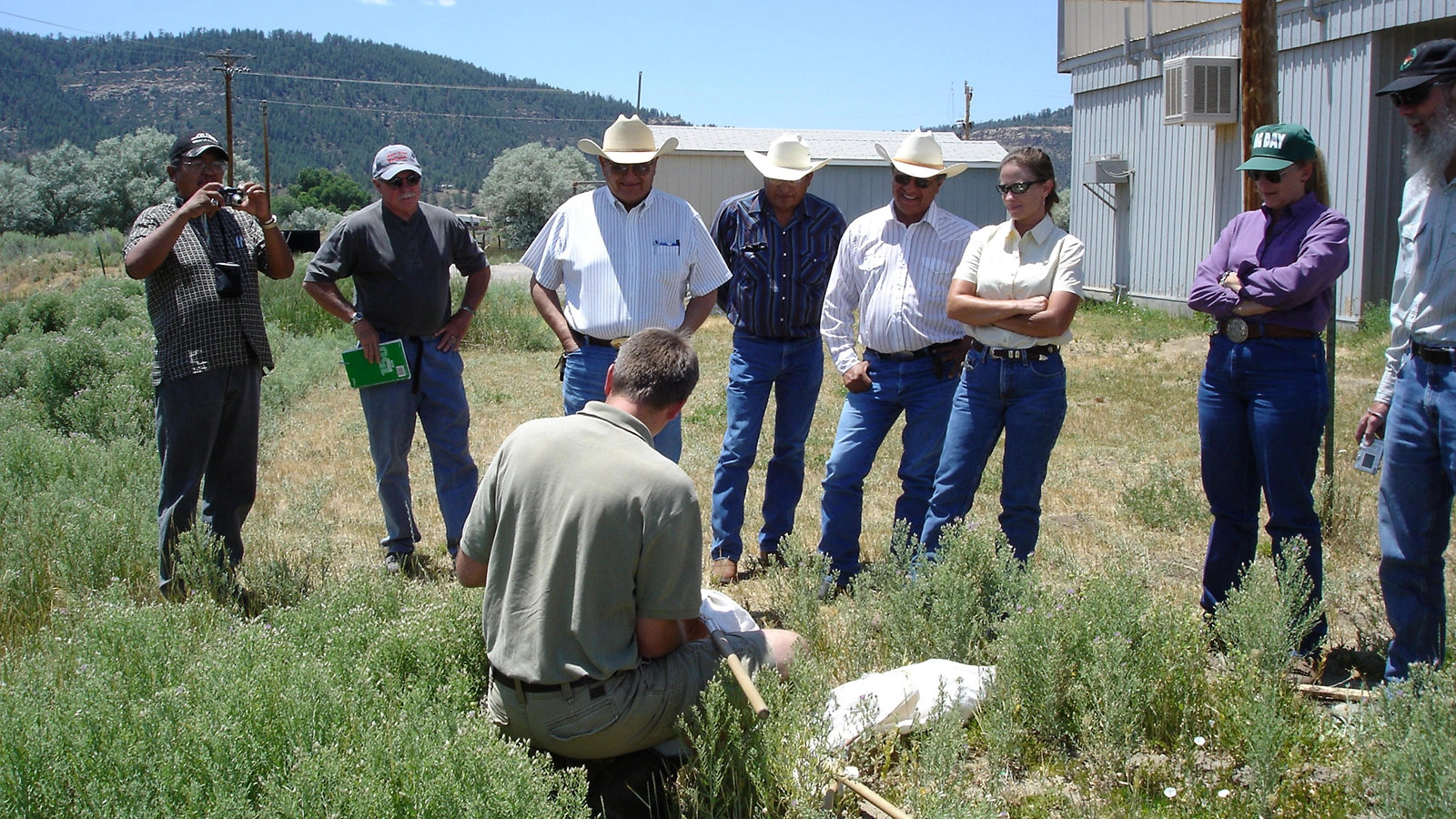
Some states, counties, and universities host “field days” at productive insectaries, where land managers and landowners can collect locally sourced biocontrol agents for release elsewhere. These events also provide hands-on education about biocontrol programs and allow participants to observe their effects on plant communities. For details on field days in your area, contact your county weed manager, extension educator, or a university weed or biocontrol specialist.
How can you field collect biocontrol agents yourself?
Several methods are used to collect weed biocontrol agents, depending on the agent species, abundance, target weed, and site conditions. Common techniques include sweep netting, hand‑picking or tapping, vacuuming, light traps, and transferring infested plant material. Detailed descriptions are available in this supplementary fact sheet and in the adjacent linked video. For information on storing and transporting biocontrol agents you collect yourself, refer to this supplementary fact sheet or watch these biocontrol agent storage and transportation videos.
How do you purchase biocontrol agents?
Weed biocontrol specialists can usually recommend reputable suppliers. Choose suppliers who provide healthy, parasite‑ and pathogen‑free organisms and can deliver them at the appropriate time for field release. Ask where and when the agents were collected, and avoid suppliers who source organisms from environments very different from your release site, as establishment may be poor. If purchasing from another state, confirm the seller has the required permits for both the species and release location. Only purchase or release approved biocontrol organisms, and to be safe, contact your local biocontrol specialist before purchasing.
How can you rear biocontrol agents yourself?
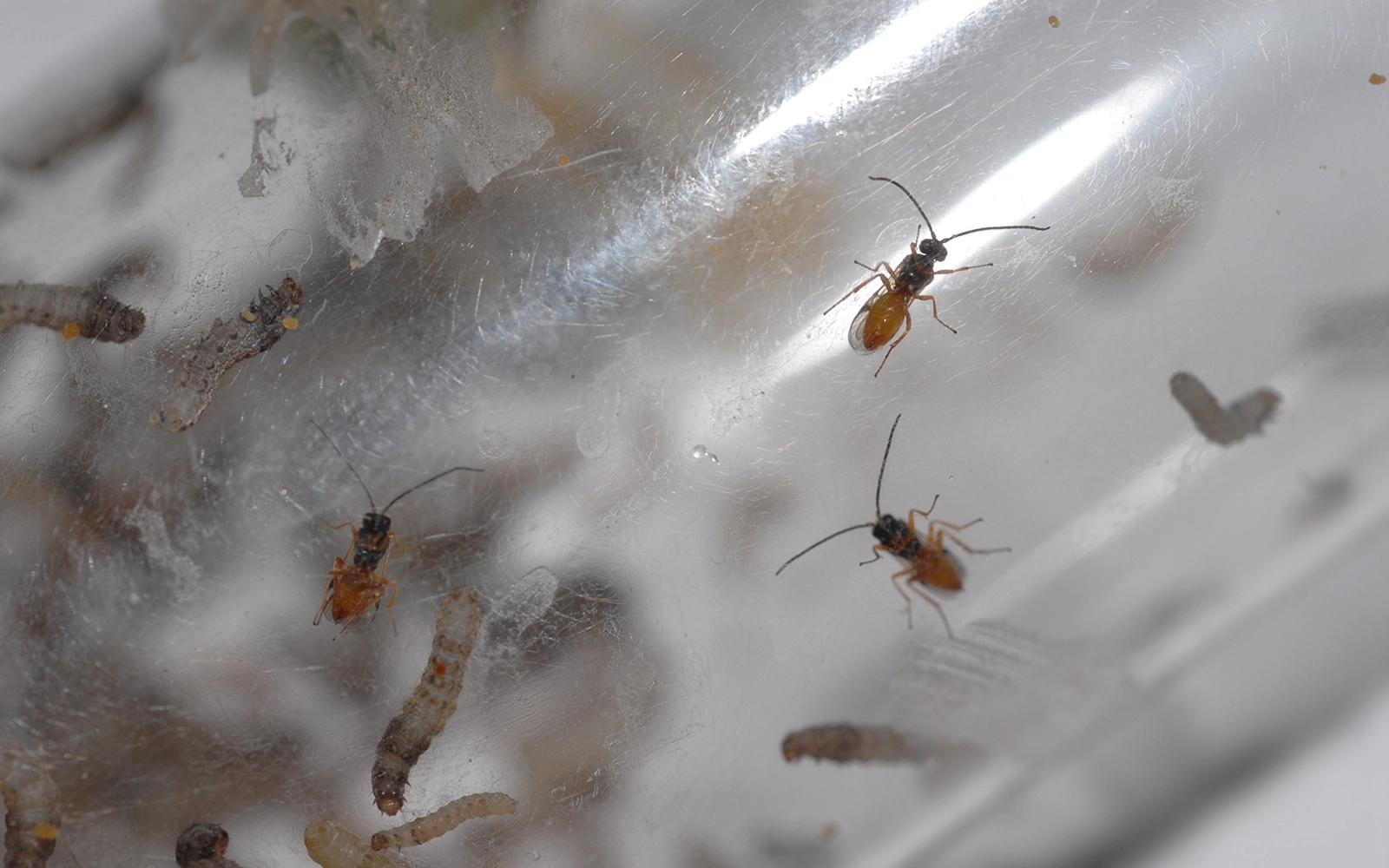
For delicate insects (e.g., moths or flies), the preferred collection method is indoor rearing, which also helps prevent the spread of parasitoids or diseases. Collect weed material containing larvae or pupae in fall or winter and store it at 40–46°F (4–8°C) or in an unheated space in cold climates. Two to three weeks before emergence, move the material to room temperature in fine‑mesh cages or breathable containers. Remove and destroy any emerging parasitoids, which often resemble tiny wasps.
Transfer confirmed biocontrol agents to new weed sites at the appropriate plant stage. Timing details are available in extension publications found in the Resources. For information on storing and transporting biocontrol agents you rear yourself, refer to this supplementary fact sheet or watch these biocontrol agent storage and transportation videos. Always verify that released insects are approved biocontrol agents, as many look‑alike species are not approved for redistribution.
Releasing biocontrol agents (Part 1: Release preparation)
Establish a permanent location marker
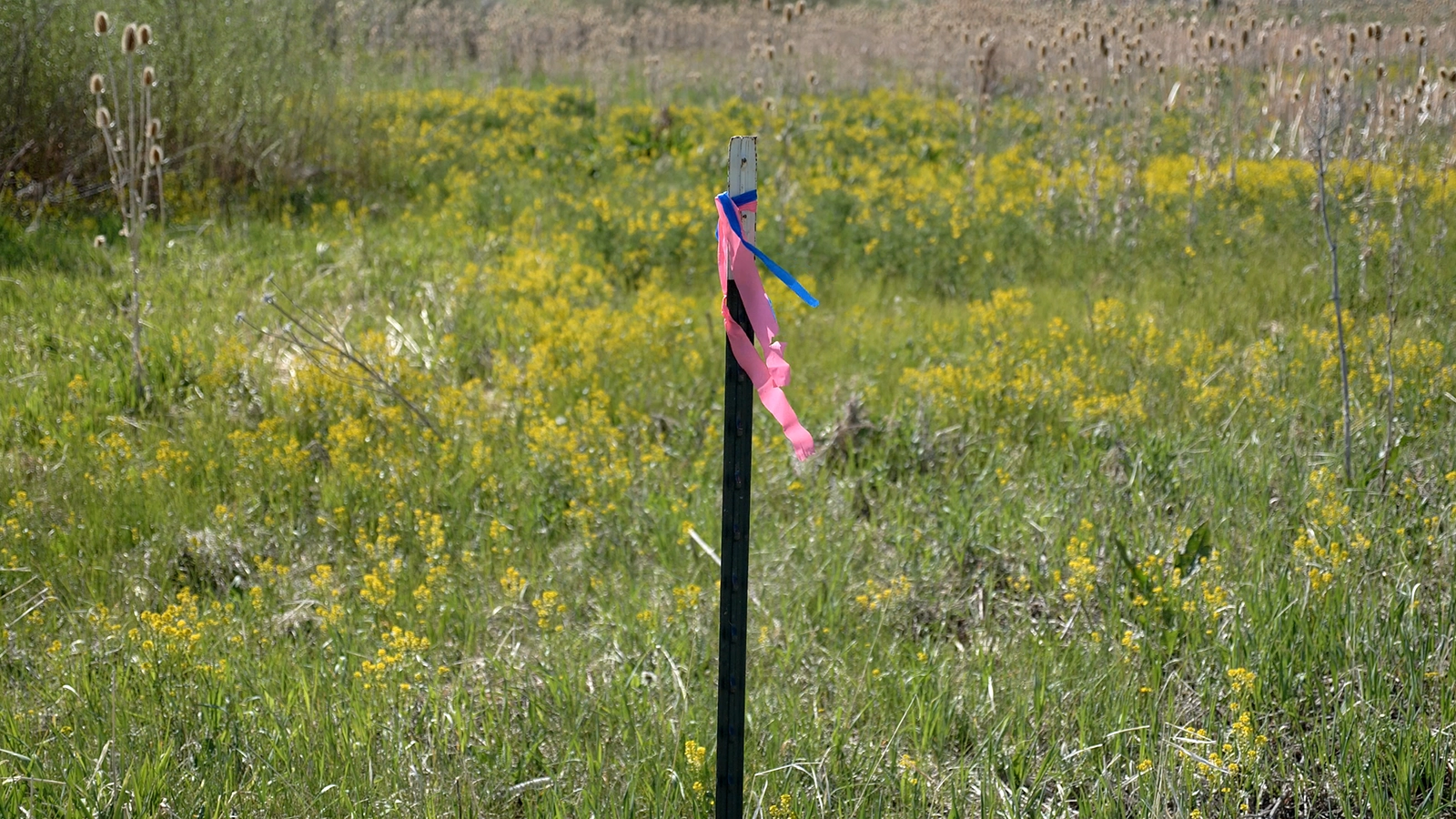
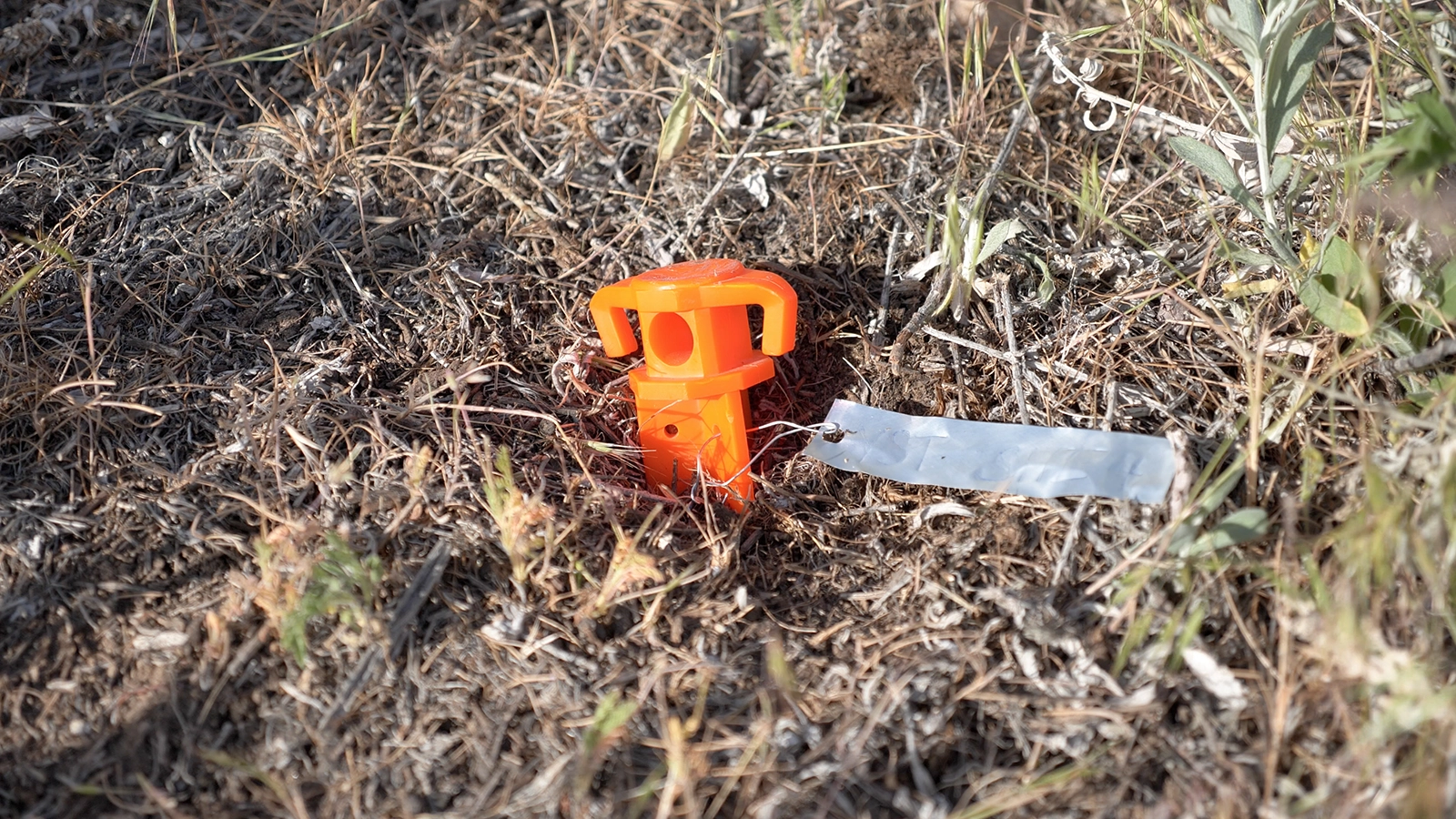
Mark release points with a durable steel post or plastic/fiberglass pole to ensure they can be found later. Avoid wooden posts and pin flags, which deteriorate over time. Use bright, conspicuous colors such as white, orange, pink, or red; avoid yellow and green, which blend into vegetation. Where vandalism is a concern, use short plastic survey stakes or steel plates that can be tagged and later located with a metal detector and GPS. Depending on land ownership or management, a sign may be required to indicate a biocontrol release has been made and to prevent chemical spraying or mechanical disturbance.
Collect release and site information
After placing a permanent marker, collect site information to allow for future visits and to evaluate release outcomes. The fastest way to do this is with the free iBiocontrol app. The app uses EDDMapS, a web‑based mapping system used by local, state, and federal agencies to track biocontrol agent releases and invasive species in North America.
Click the numbers below to see corresponding instructions for utilizing the iBiocontrol app.

Upon opening the iBiocontrol app, give the site a unique nameto help you differentiate it from other release sites in the vicinity.
Choose the target weed species.
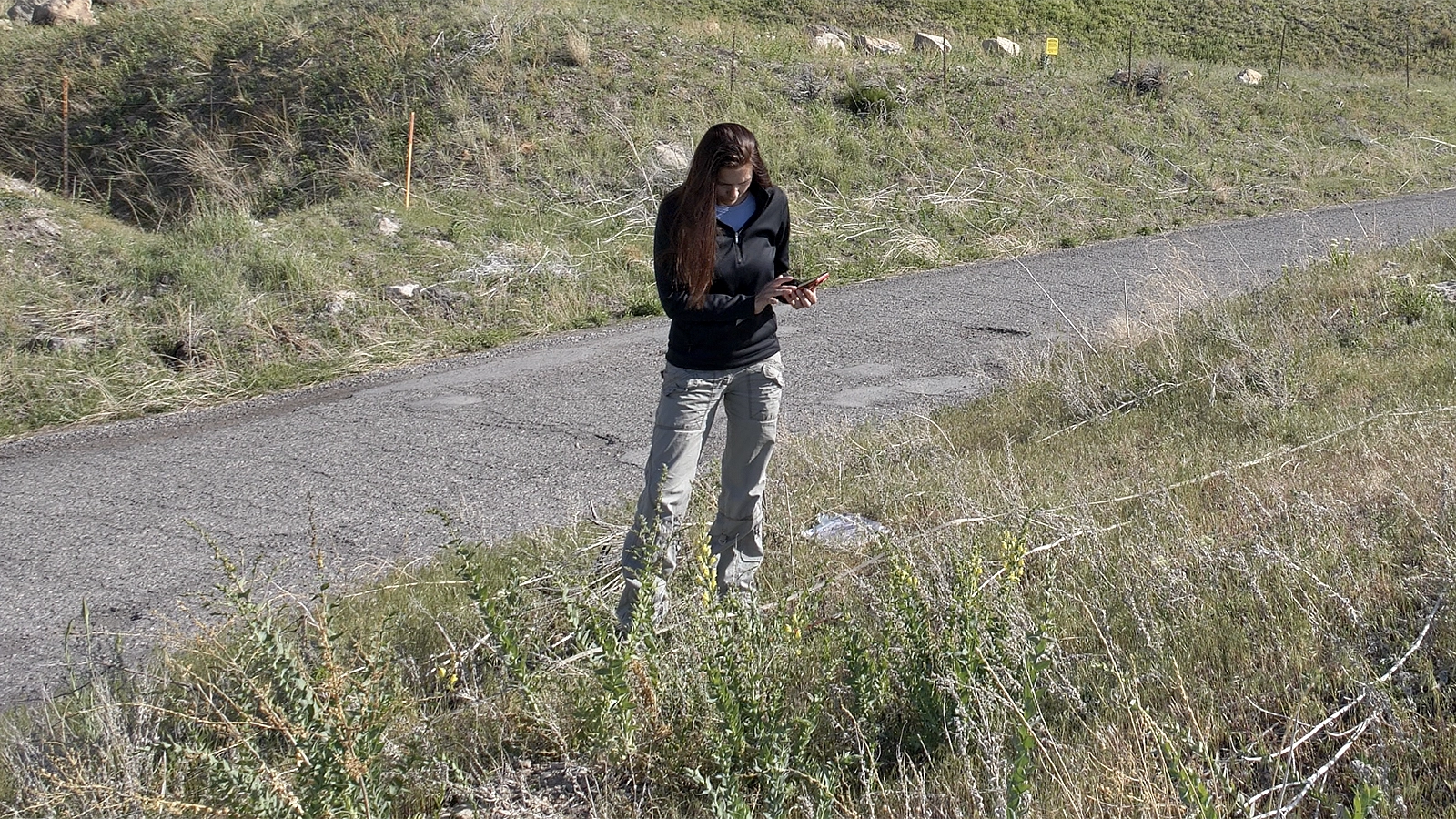
Tap the camera to add a photo by taking a new one or selecting an existing image. Photo points document changes in weed infestations and plant communities over time following a biocontrol release. Use permanent background features (e.g., mountains, rocks, trees, structures) as reference points, include the release marker, and take pre- and post-release photos from the same location at the same time of year.
The Time Spent can be disregarded; this information is used only when making an observation on an established biocontrol agent population.
The Notes section can be used to document weather at the time of release, other biocontrol agents or invasive weeds present at the site, etc.
Choose the biocontrol agent being released.
Enter the number of individuals being released.
Choose the development stage of the agent at the time of release.
When all of your information is entered, select Save. This saves your report to the app’s Upload Queue. After saving a report, you'll be returned to the app home screen.
Data can be collected in areas where no cell service is available and cached until you're back in service or on a wifi network.
To submit saved reports, tap the Upload button (upward-facing arrow) in the top right of the home screen, beside the Settings gear icon.
Please note, when EDDMapS publicly displays the data you submit, the resolution is intentionally buffered, protecting your location so that others can’t navigate exactly to that point.
There are many advantages to utilizing the iBiocontrol app and EDDMapS to record your information. Viewing nearby release and establishment records can help you determine whether new releases are warranted and which biocontrol agents are most likely to establish locally. EDDMapS data also supports the World Weed Biocontrol Catalog, which tracks biocontrol releases worldwide at the state and national levels. If you are unable to use the iBiocontrol app, release information may be collected on paper using the last two pages of this biocontrol release form. Completed forms should be submitted to your local or state weed biocontrol practitioner.
Releasing biocontrol agents (Part 2: Handling biocontrol agents)
Once the release site is prepared and information gathered, you can release the biocontrol agents. Consider how many to release, how often, when, and by what method.
Because these are live organisms, handle containers carefully and avoid leaving them in hot vehicles or direct sunlight.
How many biocontrol agents should you release?
As a general rule of thumb, when you have just one release container, it’s better to release all the biocontrol agents at one part of an infestation rather than spreading them across multiple sites. Concentrating the release increases the likelihood of sufficient males and females for reproduction and reduces risks such as inbreeding. Although minimum release sizes are uncertain for most agents, releases of 50–300 individuals are recommended. Larger releases may be beneficial in some cases or for certain species (e.g., leafy spurge Aphthona beetles), but are not always necessary. Consult your local weed biocontrol expert for species- and site-specific recommendations.
Should you release biocontrol agents multiple times at the same site?
A single release is often sufficient to establish a biocontrol agent population, particularly when many individuals are released. If establishment fails, additional releases after a few years may be needed. For species or sites where establishment is slow—such as areas with high overwintering mortality or dense infestations—releasing agents at the same site for 2–3 consecutive years can improve success and speed visible impacts. When multiple releases are made in one year, space them about 2/3 mile (1 km) apart. Releasing agents in multiple or adjacent drainages is also recommended, as nearby populations can recolonize sites affected by flooding, fire, herbicide use, or other disturbances.
When should you release biocontrol agents?
Biocontrol agents are typically released during the weed’s growing season, most often in spring or summer. The optimal release timing depends on the growth stage of both the target weed at the site and the biocontrol agent. Guidance on timing is available in extension publications such as the Field Guides for Biological Control of Weeds in the Northwest and Eastern North America, which can be found in this website’s Resource Library. Local weed biocontrol experts can also provide area-specific recommendations.
What is the most appropriate release method?
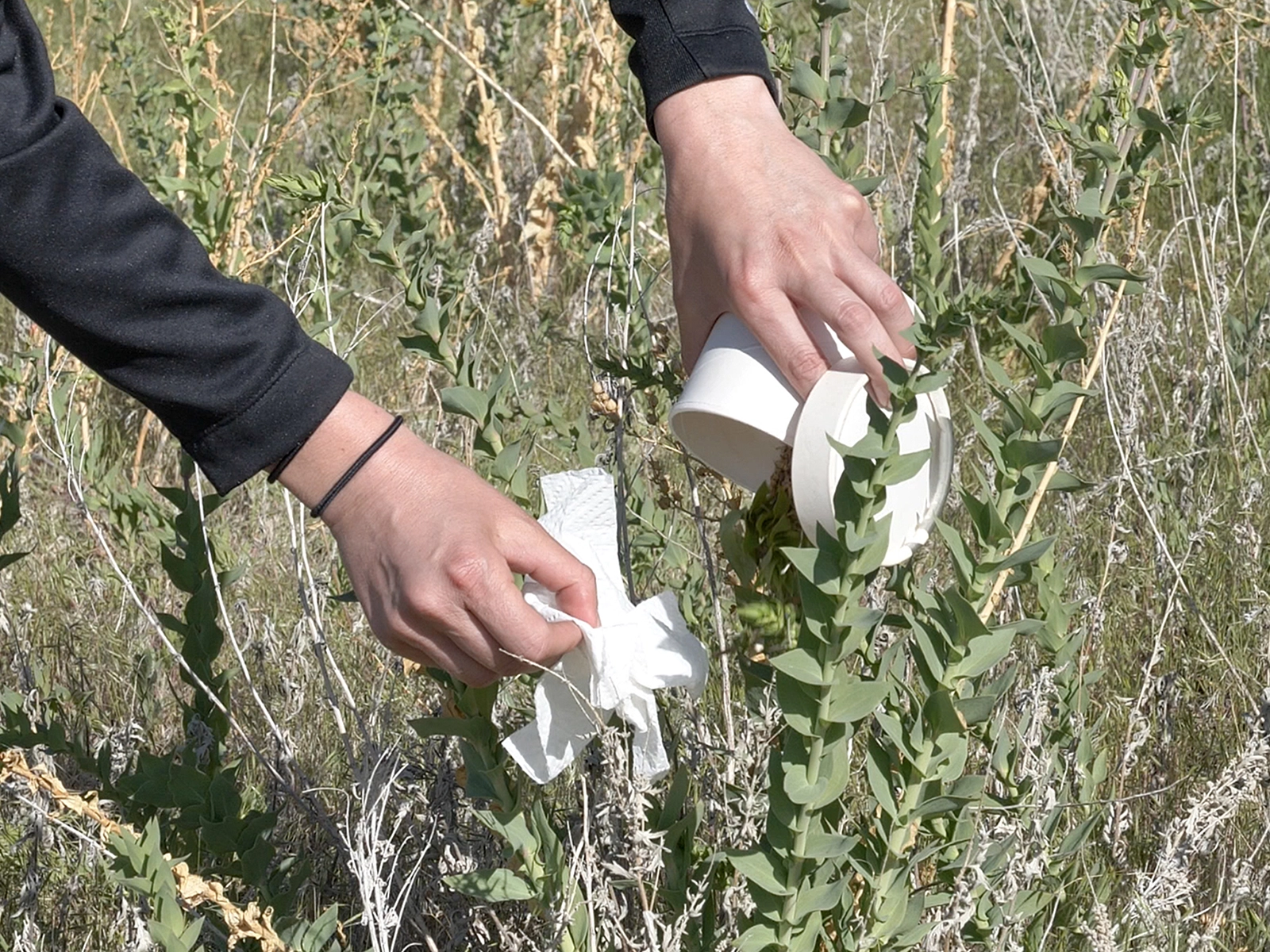
Remove containers from cold storage (cooler or fridge) about one hour before release to prevent temperature shock, especially in hot conditions. When releasing adults, gently shake all biocontrol agents and foliage into one small area; do not scatter them throughout the infestation. Ensure any plant material in the container is free of weed seeds, roots, or other organisms before dumping at a new site, and check paper towels for clinging biocontrol agents before disposal.
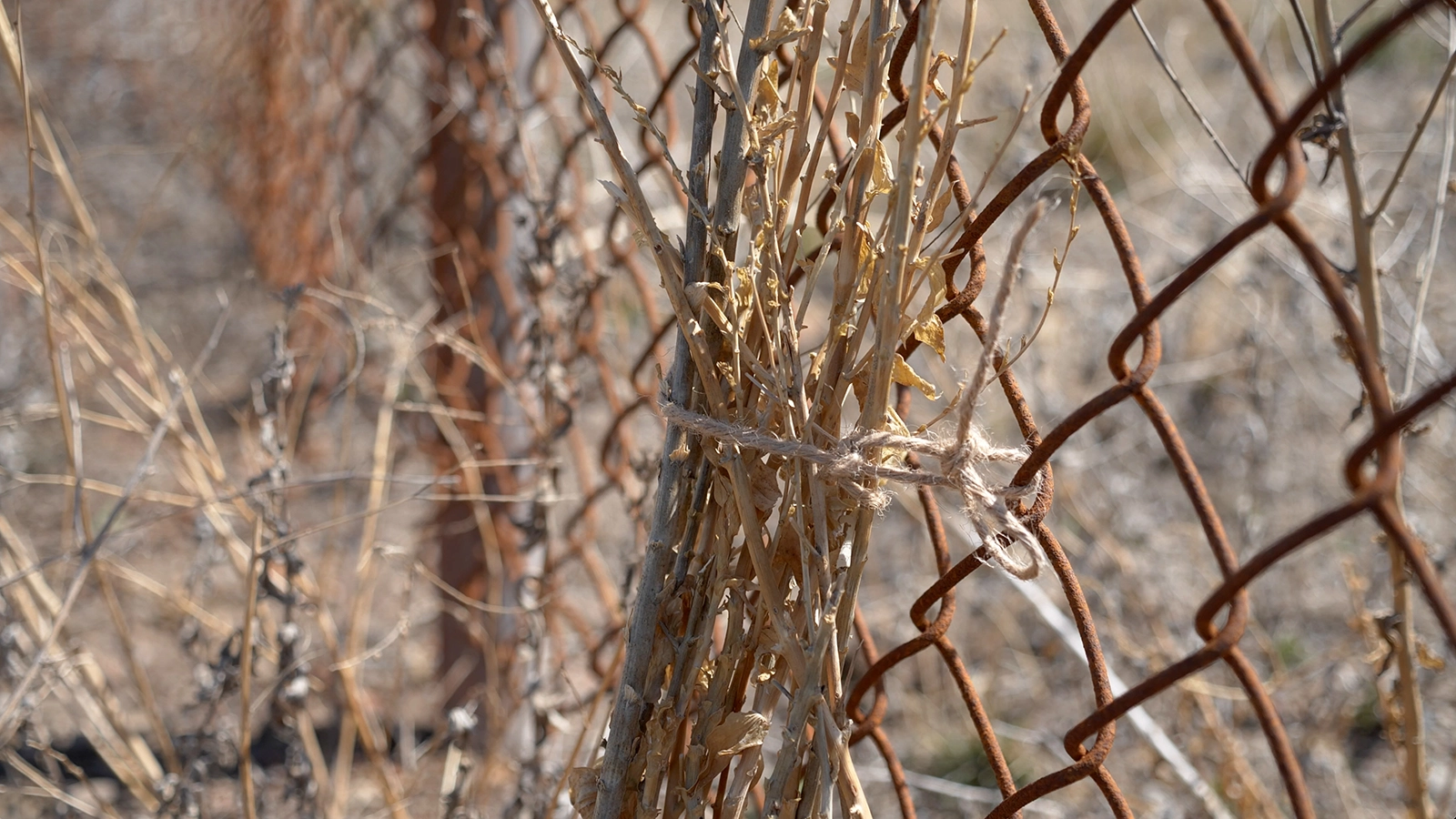
When transferring infested stem segments, bundle 20–50 stems and fan one end to create a stable base. Place bundles upright in dense, uninfested weed stands; in sparse or windy areas, tie bundles to uninfested plants or a fence. Use four to five bundles per site, adjusting for infestation size. Avoid spreading weed seeds, roots, or other species, and use this method only for short-distance transfers where the risk of spreading parasitoids or diseases is low.
What are the best release conditions?
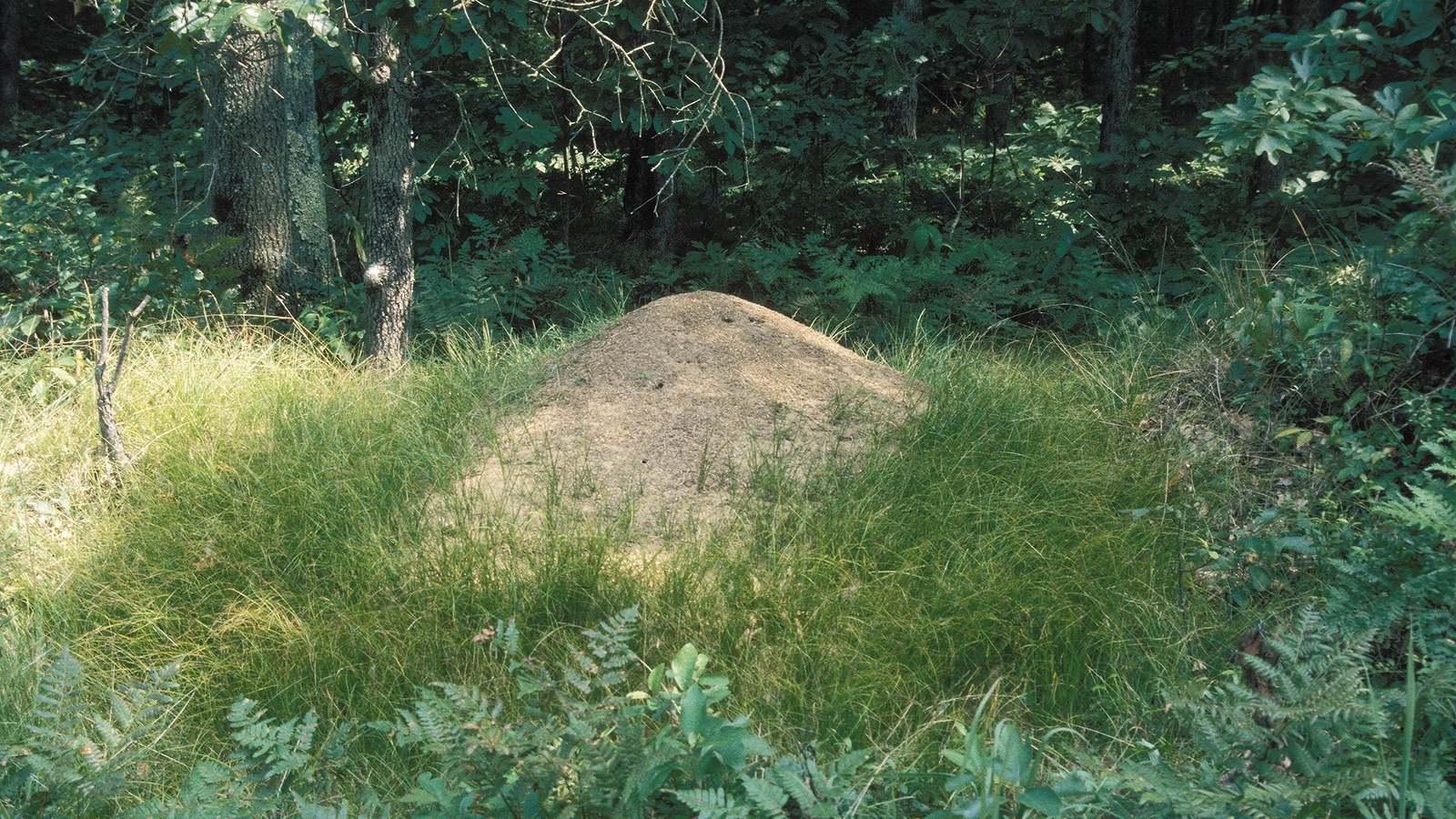
Release biocontrol agents during moderate weather—mornings or evenings in hot weather, and mid‑day in cold seasons—to reduce stress and improve establishment. Avoid releases on rainy days unless releasing rust fungi, which benefit from moisture. If poor weather persists, release agents rather than storing them for more than three days, as vitality declines with extended storage. Do not release agents near ant mounds, predatory spiders, or other ground‑dwelling predators that may prey on biocontrol agents. Because handling and release requirements can vary by species, consult your local biocontrol specialist.
Monitoring biocontrol release sites
Documenting both successful and unsuccessful biocontrol releases provides a clearer understanding of their impacts, informs future management, and supports education and outreach. Monitoring is the most effective way to gather objective data, helping land managers predict success, avoid ineffective or redundant releases, and prevent practices that harm biocontrol agents or exacerbate weed problems.
Monitoring uses standardized procedures to determine:
- If biocontrol agents are established
- If their populations change and spread
- If they impact the target weed
- If plant communities or site factors change over time
Monitoring can range from simple to complex. One year of monitoring can show whether biocontrol agents established, while multi‑year monitoring can track agent populations, target weed and plant community changes, and other factors such as wildlife or climate.
Monitoring biocontrol agent populations
To confirm establishment of biocontrol agents after release, look for the agents at any life stage or for their characteristic feeding damage. Start monitoring at the release point, then survey surrounding areas. Optimal monitoring stages and timing vary by agent and target weed species and can be found in extension resources like the North American Biocontrol Fact Sheets, available in this site’s Resource Library. Local weed biocontrol experts can also provide area-specific guidance.
Some biocontrol agent populations may take two or more years to reach detectable levels, so their absence after one year does not indicate failure. Monitor release sites at least annually for three years. If no agents are detected, consider releasing at a different site or making additional releases, and consult your local biocontrol expert for assistance.
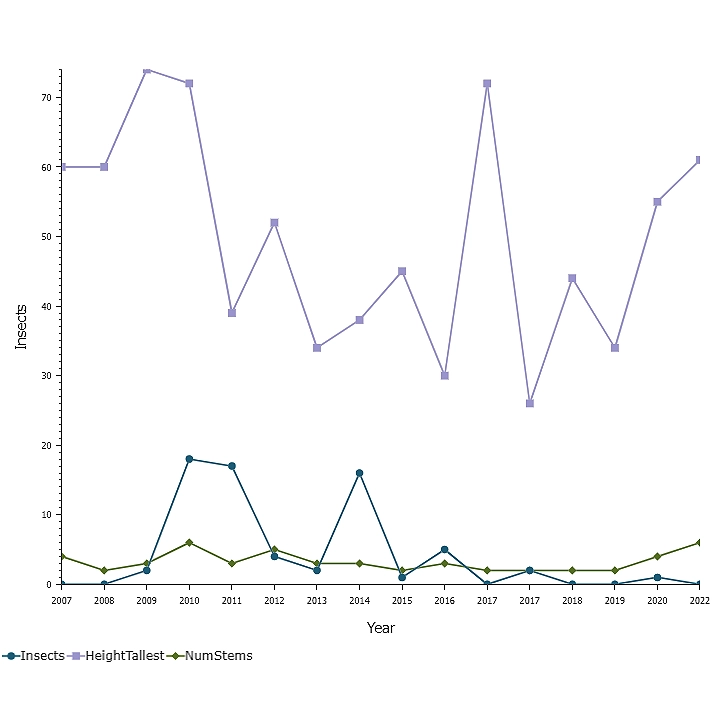
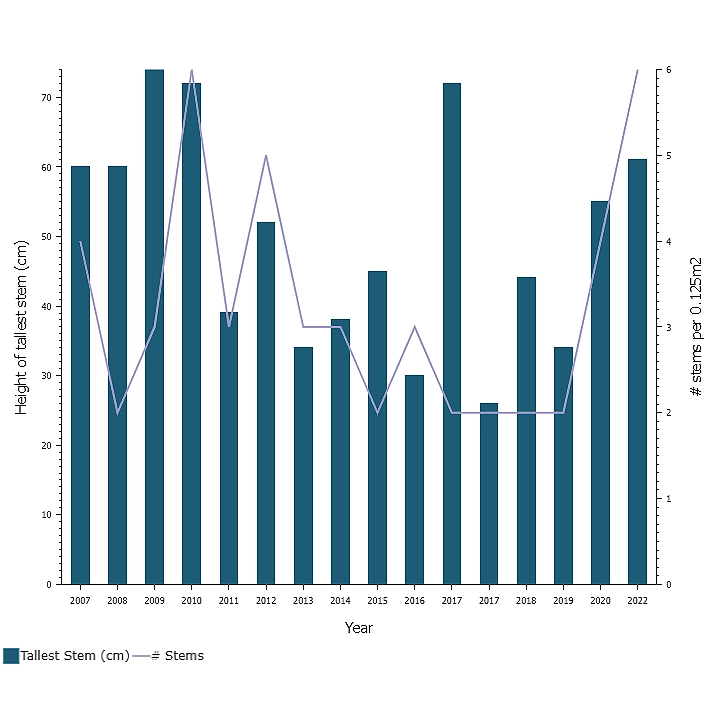
To track changes in biocontrol agent populations over time, use a systematic approach such as the Standardized Impact Monitoring Protocol (SIMP), available through a free app or downloadable formson this website.
Monitoring the target weed & co-occurring plants
The goal of weed biocontrol is to permanently reduce the target weed’s negative impacts on ecosystem function. Success is typically measured by decreased weed abundance or reproduction. Evaluating effectiveness requires long-term monitoring of plant community attributes—such as weed distribution, density, or cover—beginning before release and continuing at regular intervals afterward.
Qualitative monitoring uses subjective observations to describe target weeds and the surrounding plant community. Methods include listing species present, estimating density, age, and distribution, visually mapping infestations, and maintaining photo records. Repeated over time, this approach can show trends in weed populations, but it generally does not support detailed statistical analysis. We therefore recommend the Standardized Impact Monitoring Protocol (SIMP), which combines qualitative observations with quantitative data to identify statistical trends over time.
Quantitative monitoring uses statistical methods to measure changes in target weed populations and associated vegetation before and after biocontrol releases. Methods range from simple plant counts to detailed measures such as plant size, seed production, biomass, and species diversity or cover. Monitoring should follow the same protocol and occur at the same time each year to ensure consistency. Post‑release assessments should be conducted annually for at least 3–5 years, preferably longer. We strongly recommend the Standardized Impact Monitoring Protocol (SIMP), which is widely used across North America for its simplicity and consistency.
Nontarget attack occurs when a biocontrol agent damages plant species other than the target weed. To reduce this risk, it is important to understand plant communities at and near release sites and to identify species related to the target weed. Local botanists, herbarium records, and the North American Biocontrol Plant Fact Sheetscan help with accurate identification of target weeds. Weed biocontrol programs should monitor closely related native species alongside the target weed.
Many native arthropods resemble biocontrol agents and may be found on nontarget plants; expert identification is required to confirm true nontarget attack. Biocontrol agents may also rest on nontarget plants without causing damage. When true damage does occur, specialists can classify it as collateral, spillover, or sustained.
- Collateral damage is brief, minimal feeding on unrelated plants following agent outbreaks.
- Spillover damage involves more feeding on related plants but remains temporary and does not affect plant populations.
- Sustained damage, which is rare, occurs when a biocontrol agent can fully develop and maintain populations on a nontarget plant and may cause population-level impacts.
If you observe approved biocontrol agents feeding on or developing on nontarget species, collect samples and consult your local biocontrol specialist, or provide them with site data and photos for assessment. Avoid attributing observed damage to a specific agent, as this may bias identification and confirmation.
Vegetation sampling methods from the Standardized Impact Monitoring Protocol (SIMP) can be adapted to track changes in nontarget species density or cover and to record biocontrol agent presence. Consult your county weed manager, extension educator, or local biocontrol expert for guidance. Collecting nontarget attack data over multiple years helps determine whether nontarget effects are temporary or have population-level impacts.
Biocontrol as part of an Integrated Pest Management Program
Successful IPM programs combine multiple components to achieve management goals, including:
- Education and Outreach
- Inventory and Monitoring
- Prevention
- Weed Control Activities
- Biological control (releasing host-specific natural enemies)
- Physical control (tilling, mowing, digging, hand-pulling)
- Cultural control (soil care,revegetation, minimizing disturbance)
- Chemical control (applying pesticides)
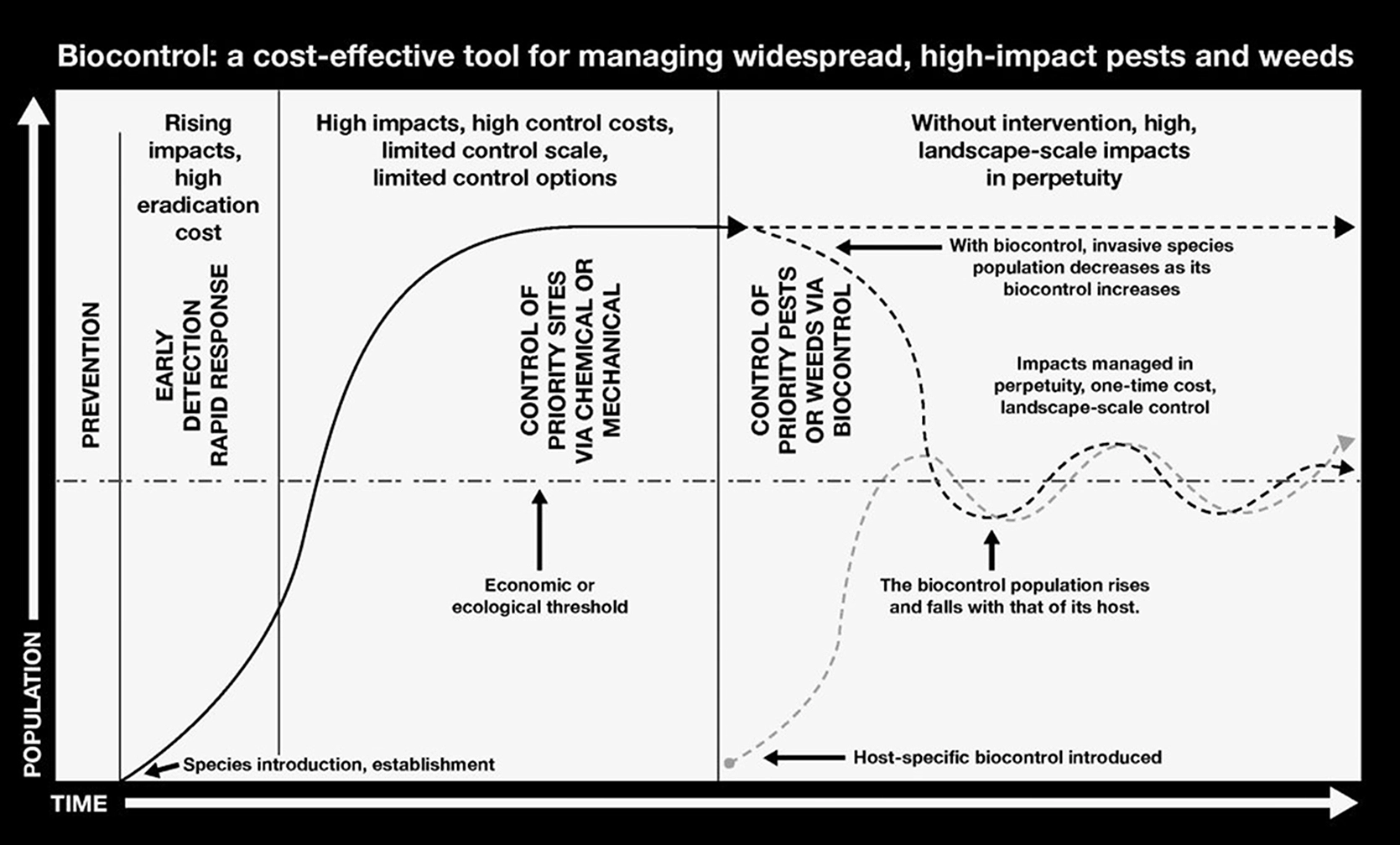
IPM addresses land management beyond weed removal by emphasizing education, prevention, and ongoing monitoring. Land managers assess vegetation to determine whether it meets management goals and identify causes when it does not. As demonstrated by the adjacent invasion curve diagram, prevention is the most cost‑effective strategy for managing invasive species, followed by early detection and rapid eradication. Once invasive weeds are established and spread, eradication becomes unlikely and long‑term control is required. For well‑established infestations, IPM calls for mapping populations, selecting appropriate control methods based on land use, and monitoring results over time. Follow‑up treatments are applied as needed to ensure management objectives are met.
IPM is most effective when multiple control methods are applied together at a single site rather than used separately across locations. Education, mapping, and prevention are essential across all landscapes, regardless of current weed presence. When weeds are established, long-term success improves when control methods are chosen based on infestation size, habitat, land use, ownership, and available resources, and then integrated appropriately.
Biocontrol is best suited for large infestations where results may take several years, while chemical and physical controls are most effective for small, new, or satellite populations and for containing the edges of large infestations. These methods are typically combined indirectly, as direct chemical or physical treatment can kill biocontrol agents. Cultural controls, which promote desirable vegetation, can be applied directly alongside biocontrol to increase plant competition as weed populations decline.
Because biocontrol in IPM is often species‑ and site‑specific, contact your local weed biocontrol expert for guidance. For select species, some IPM–biocontrol integration guidelines are available in extension publications or in the Resource Library on this website.

 © Developed by the Center for Invasive Species and Ecosystem Health at the University of Georgia