
Throughout this website, we use specific terms to describe weeds’ life cycles, growth forms, and leaf, root, and flower structures—all of which are important for accurate plant identification. This page provides definitions and examples of these technical terms. These botanical terms are also defined in the Glossary and via cursor-hover definitions.
Duration: how long a plant lives
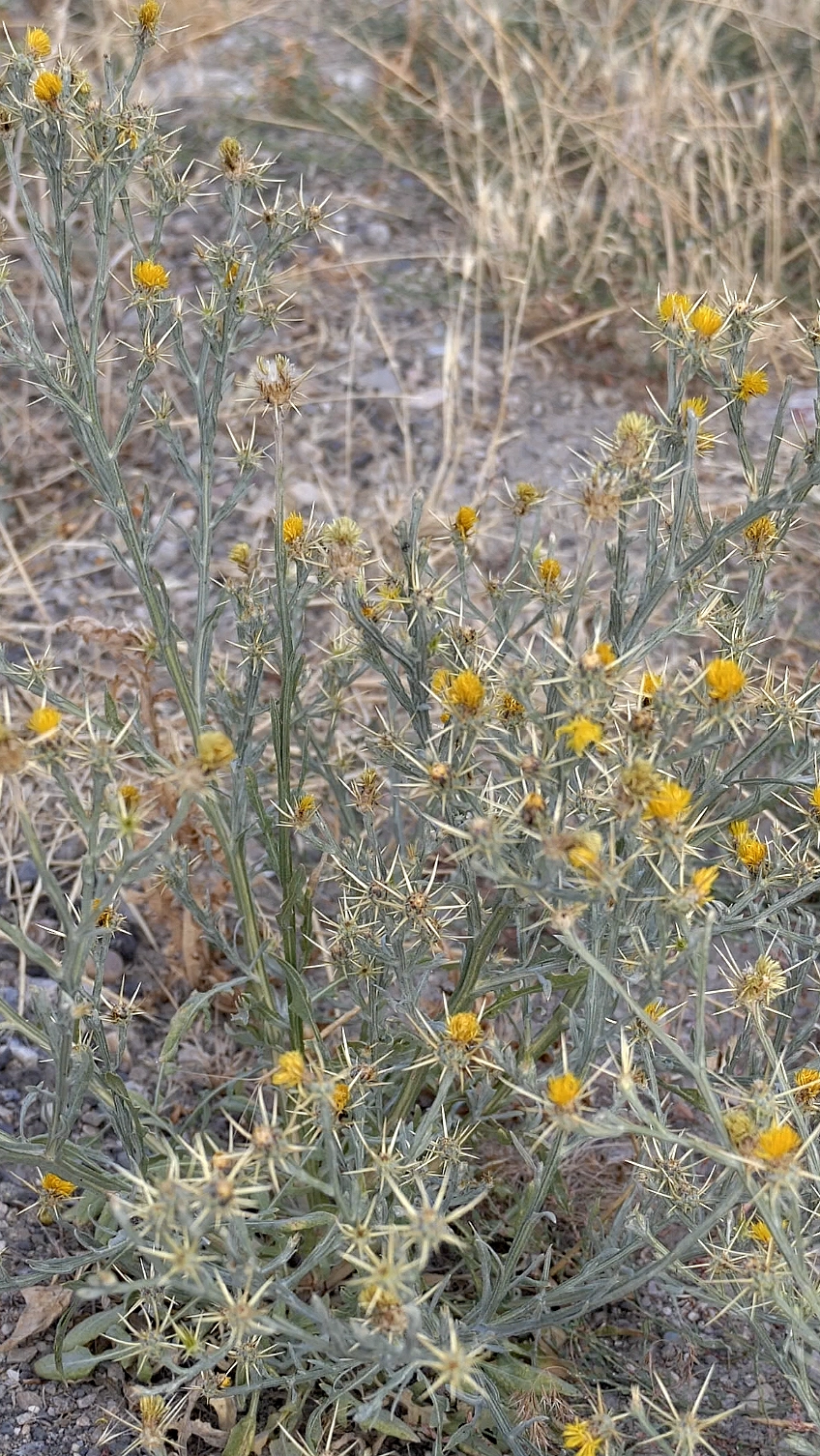
Annual species complete their life cycle within one year and then die. Summer annuals germinate in spring or early summer and mature by fall, while winter annuals germinate in fall and mature the following spring or summer. Biennials require two years, forming a rosette the first year and bolting, seeding, and dying the second. Perennials live for more than two years.
Life cycle
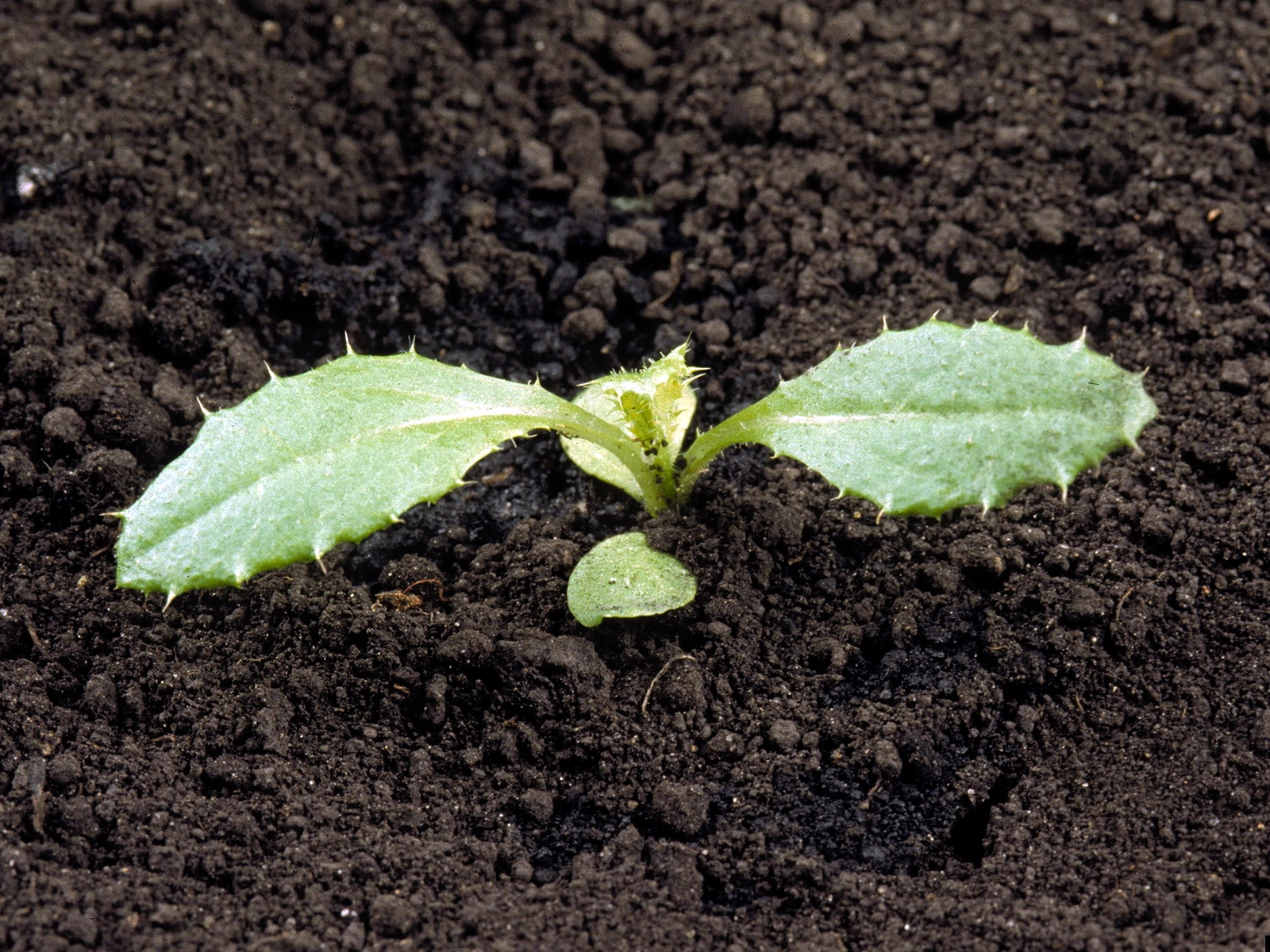
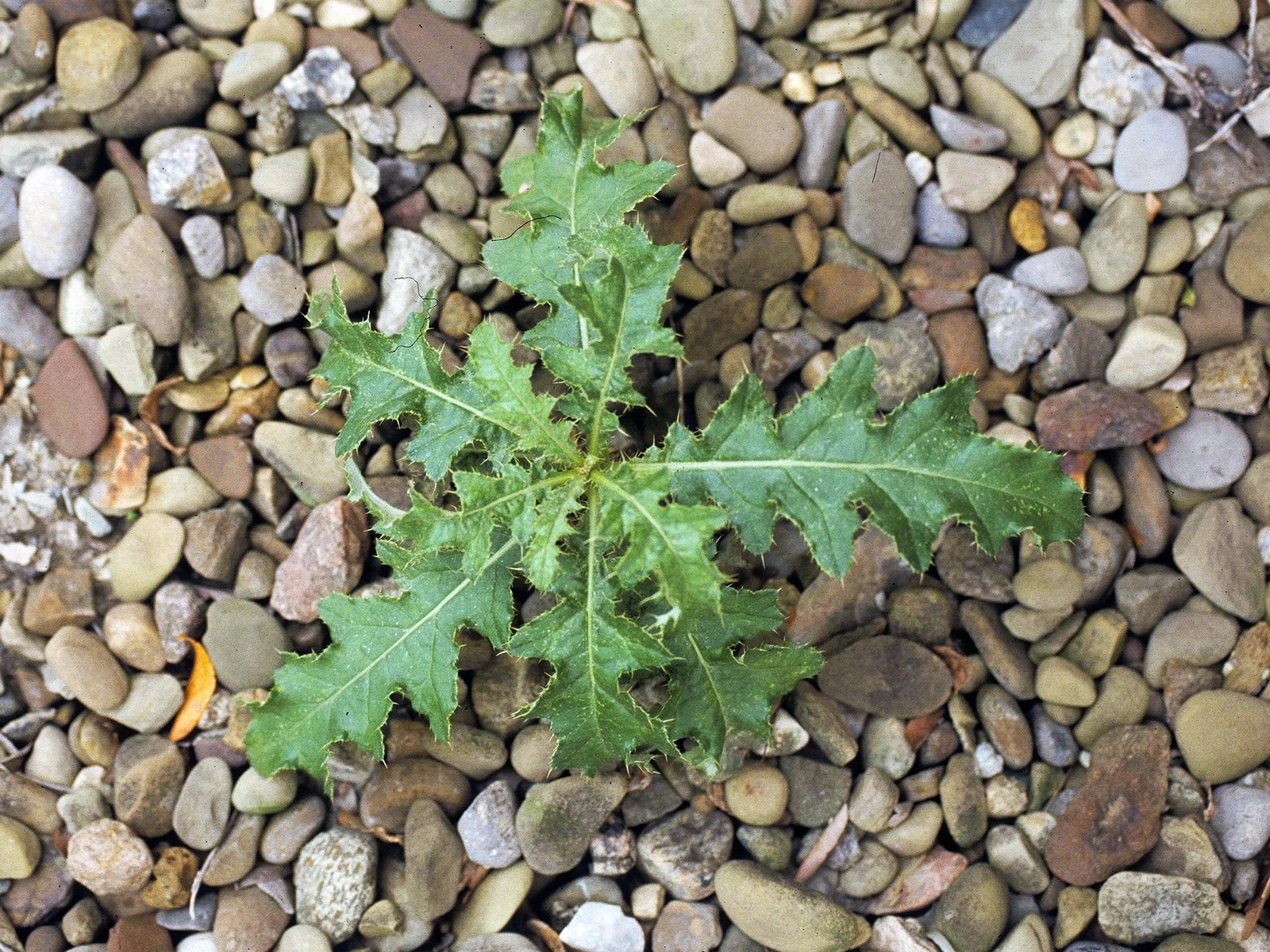
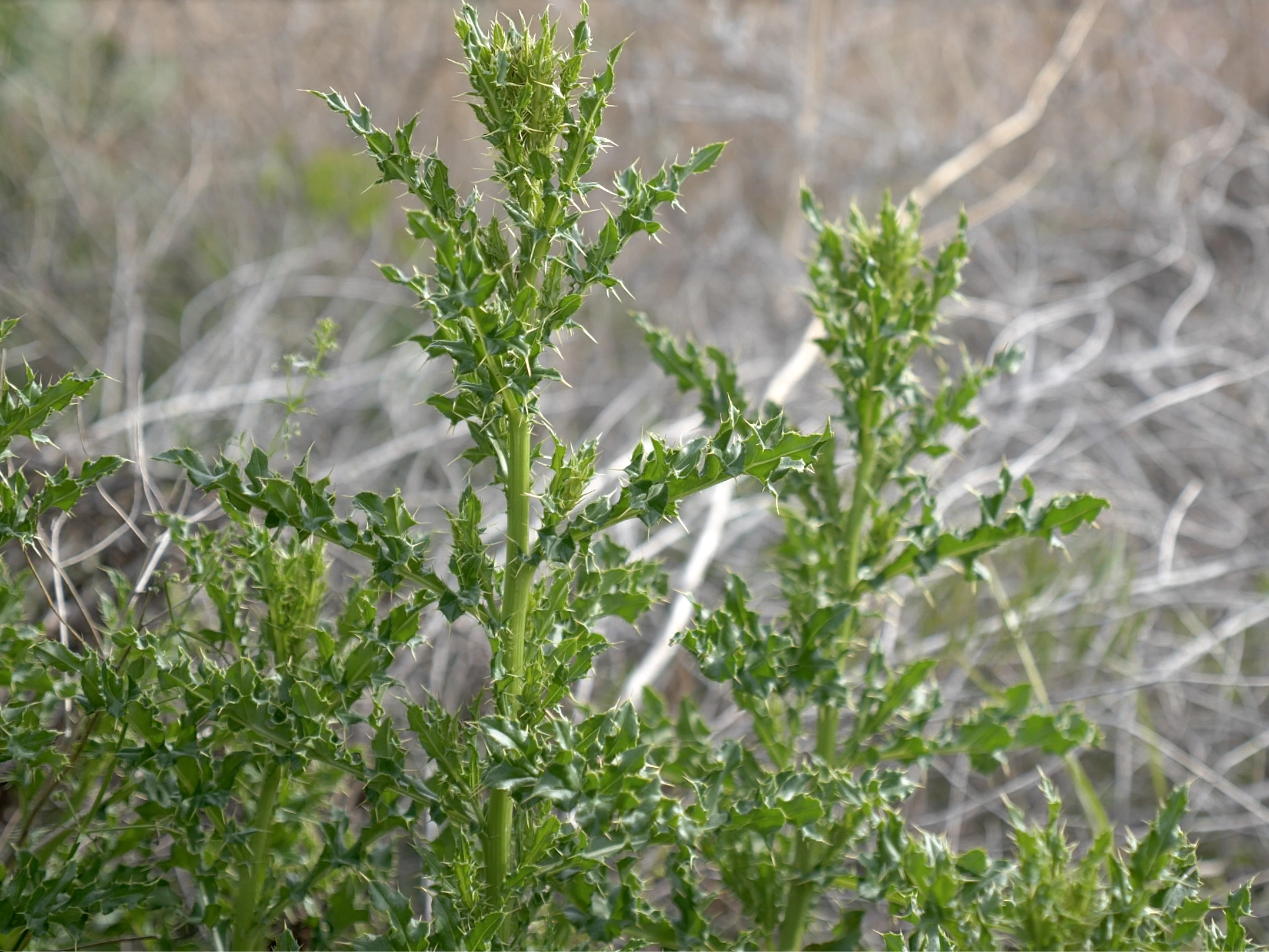
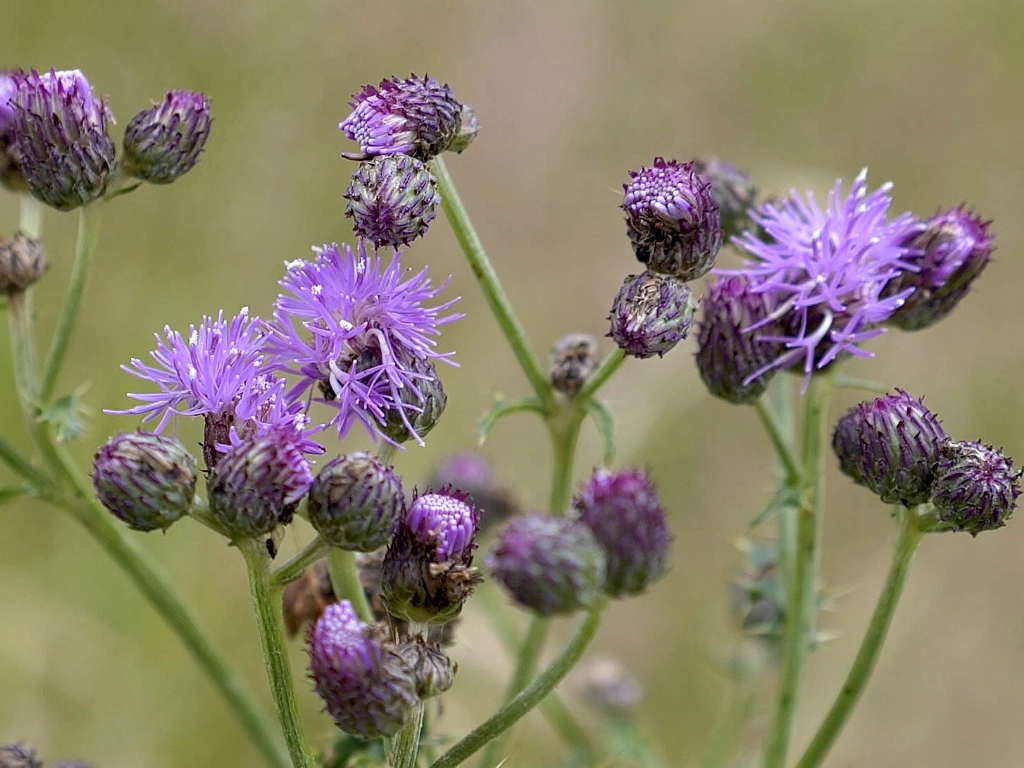
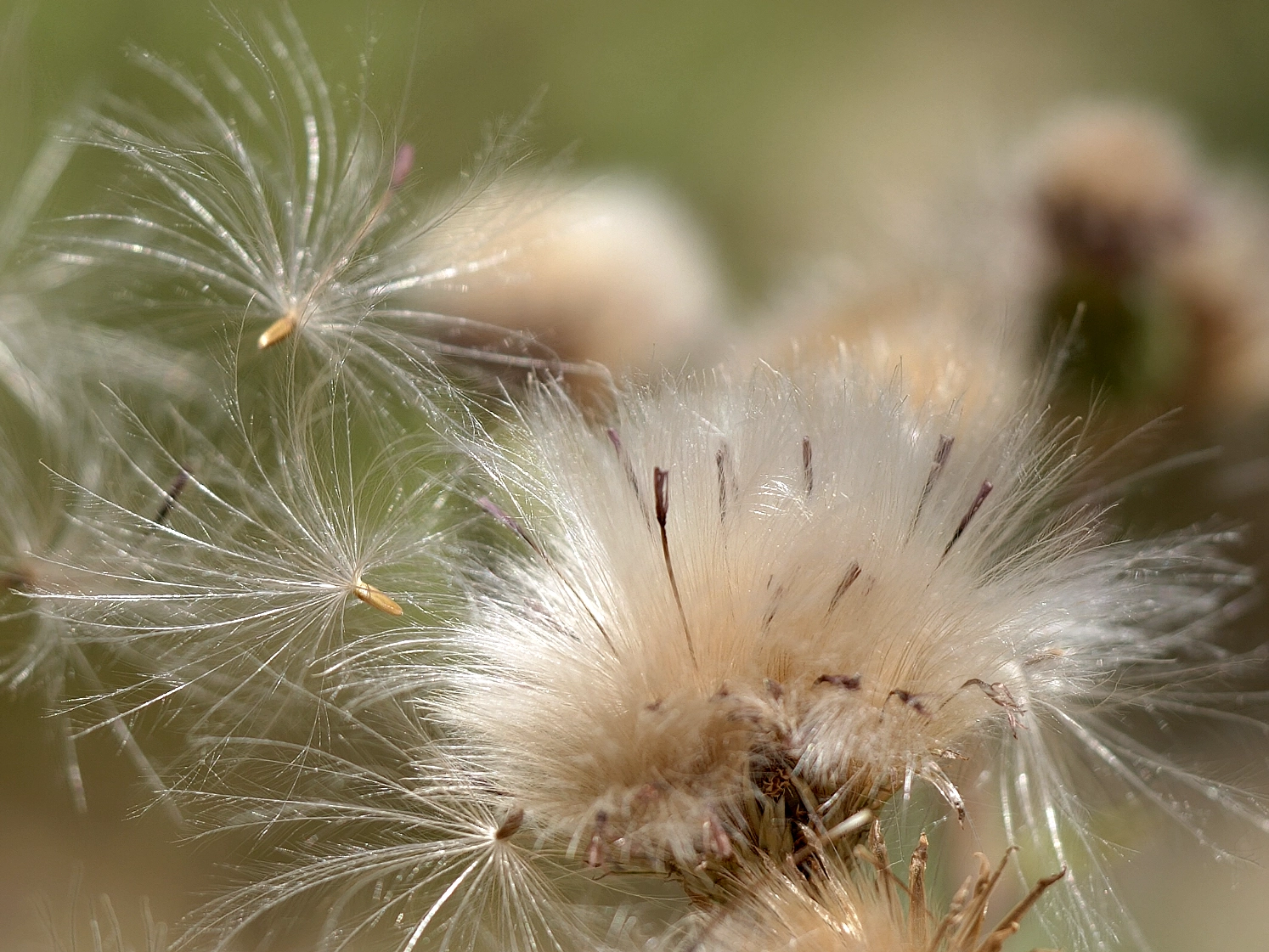
Plants begin as seedlings, with one to a few small leaves. Many biennial and perennial plants then develop into rosettes, which are clusters of basal leaves typically of the same height and length. Annual plants and twining vines often do not have an obvious rosette. Many plants then shoot up one or a few flowering stems in a stage called bolting. In the bud stage, immature, closed flowers appear on flowering stems and branches. These open during flowering and then set seed. In senescence, plants release seeds and die back, either for the winter or permanently.
Habitat
Although there is overlap, plant species can be categorized by their habitat and growth form. Terrestrial plants live on land, while aquatic species live in water. Riparian plants grow along the banks of rivers, streams, lakes, and wetlands.
Terrestrial growth forms
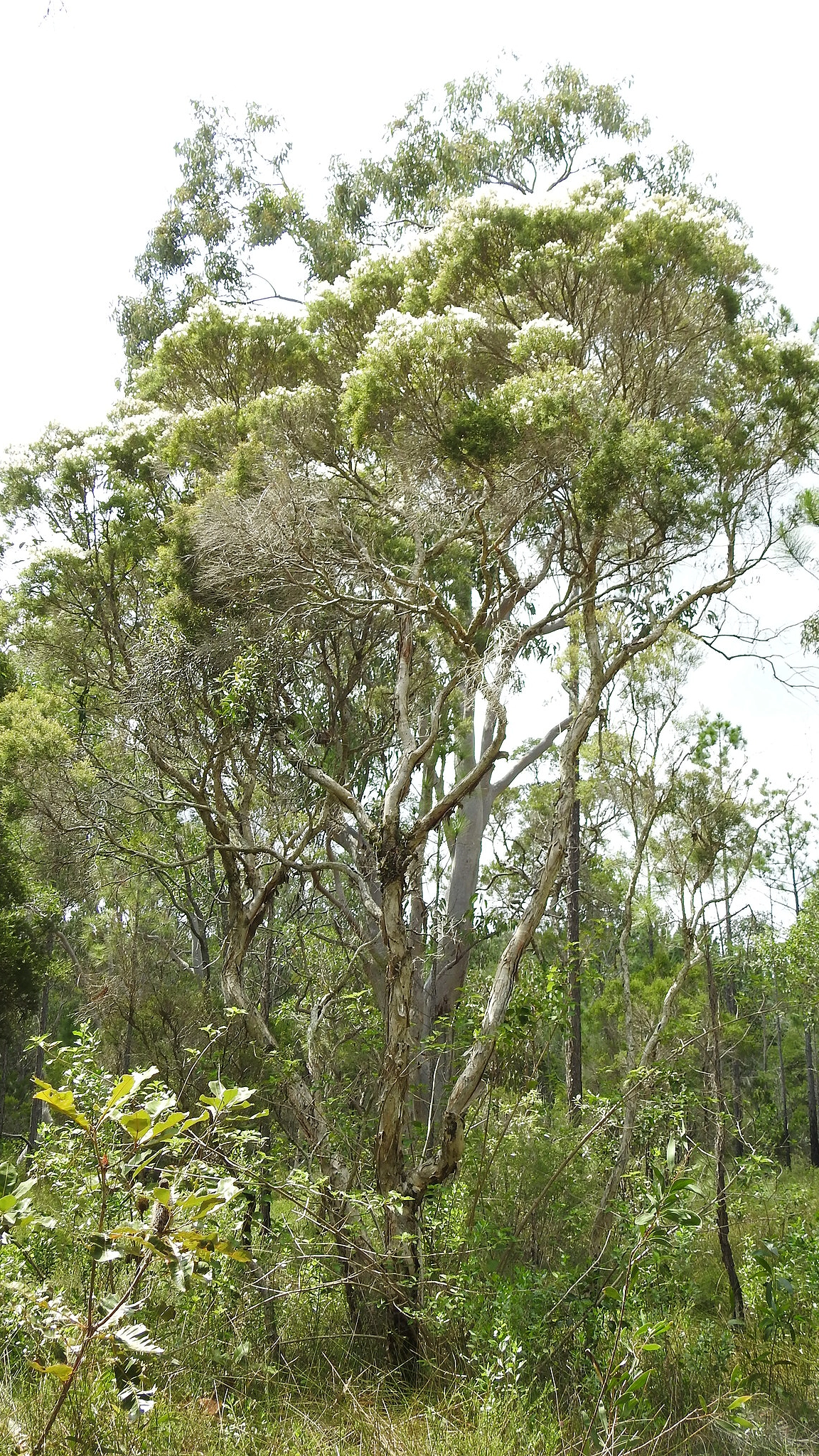
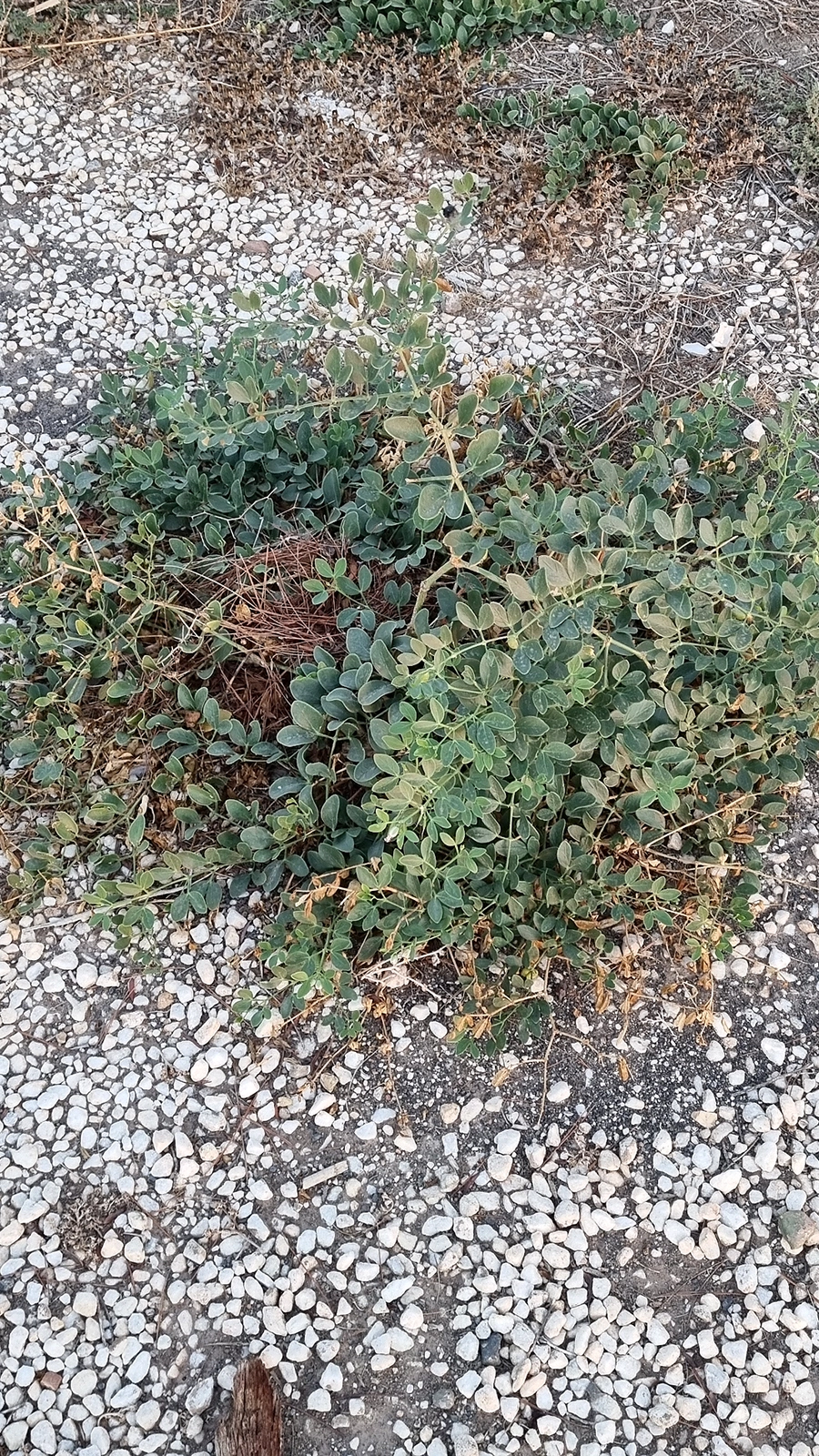
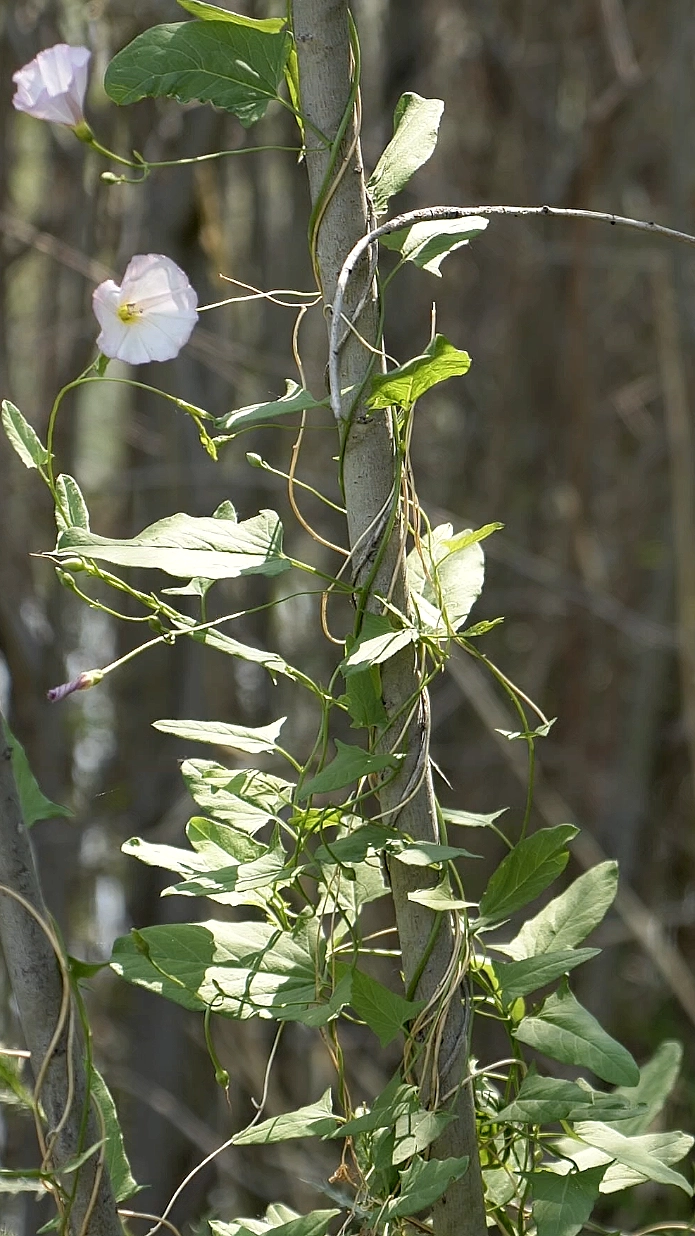
Terrestrial (and riparian) plants can be classified into six different growth forms. Forbs are herbaceous plants, meaning they don’t have woody tissue at or above the ground surface. Grasses are herbaceous plants with jointed and hollow stems and sheathed leaves. Shrubs are woody perennials under 13 feet tall that often have multiple stems, while subshrubs are similar but usually under 2 feet tall. Trees are woody perennials over 13 feet tall, often with a single stem (trunk). Vines are climbing or twining plants that may be woody or herbaceous.
Aquatic growth forms
Aquatic plants can grow fully submersed, emergent above the water surface, rooted in the hydrosoil, or free-floating on the water surface.
Leaves and leaflets
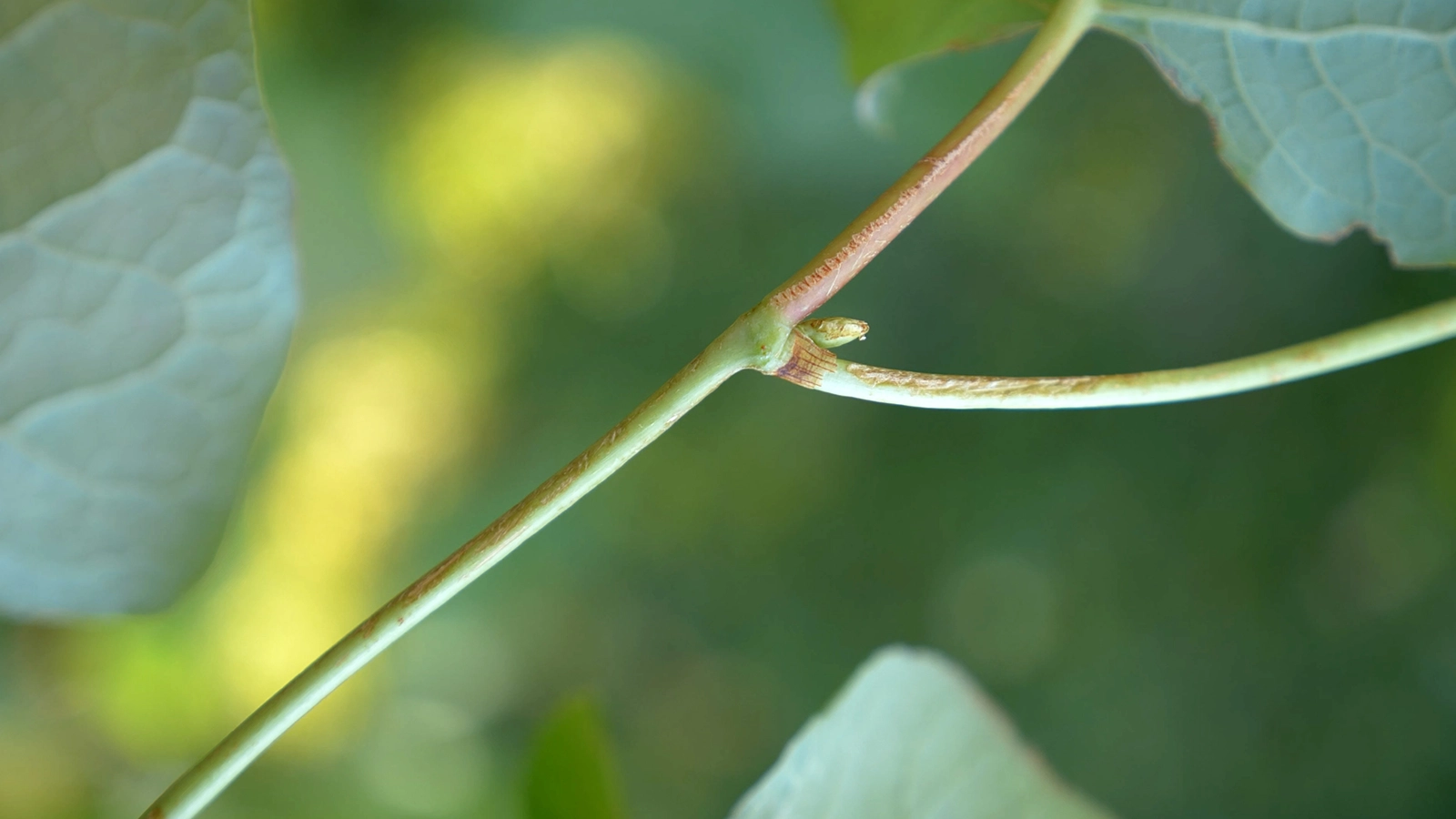
Nodes are points on a plant stem where leaves, branches, or roots grow. Each leaf node contains an axillary bud—an embryonic shoot that may remain dormant or grow into a shoot. Some leaves are compound and divided into leaflets. You can distinguish a leaflet from a leaf by checking for an axillary bud at the attachment point: if none is present, it is a leaflet.
Leaf arrangement
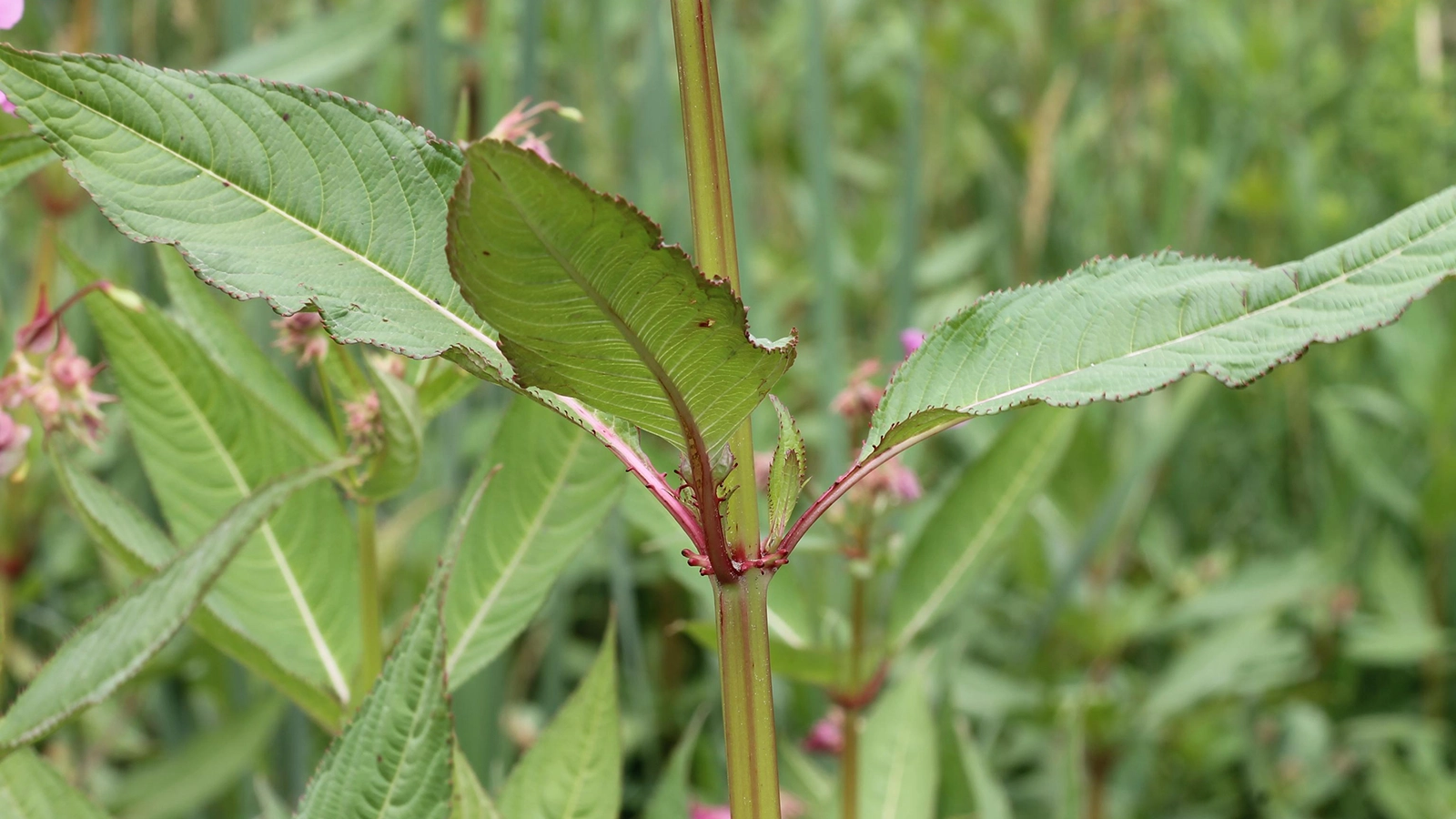
The way true leaves are arranged along the stem is an important diagnostic feature. Alternate leaves appear singly at stem nodes, on alternate sides of the stem. Opposite leaves appear in twos at stem nodes, on opposite sides of the stem. Whorled leaves are when three or more leaves radiate outward from a single stem node.
Leaf margination
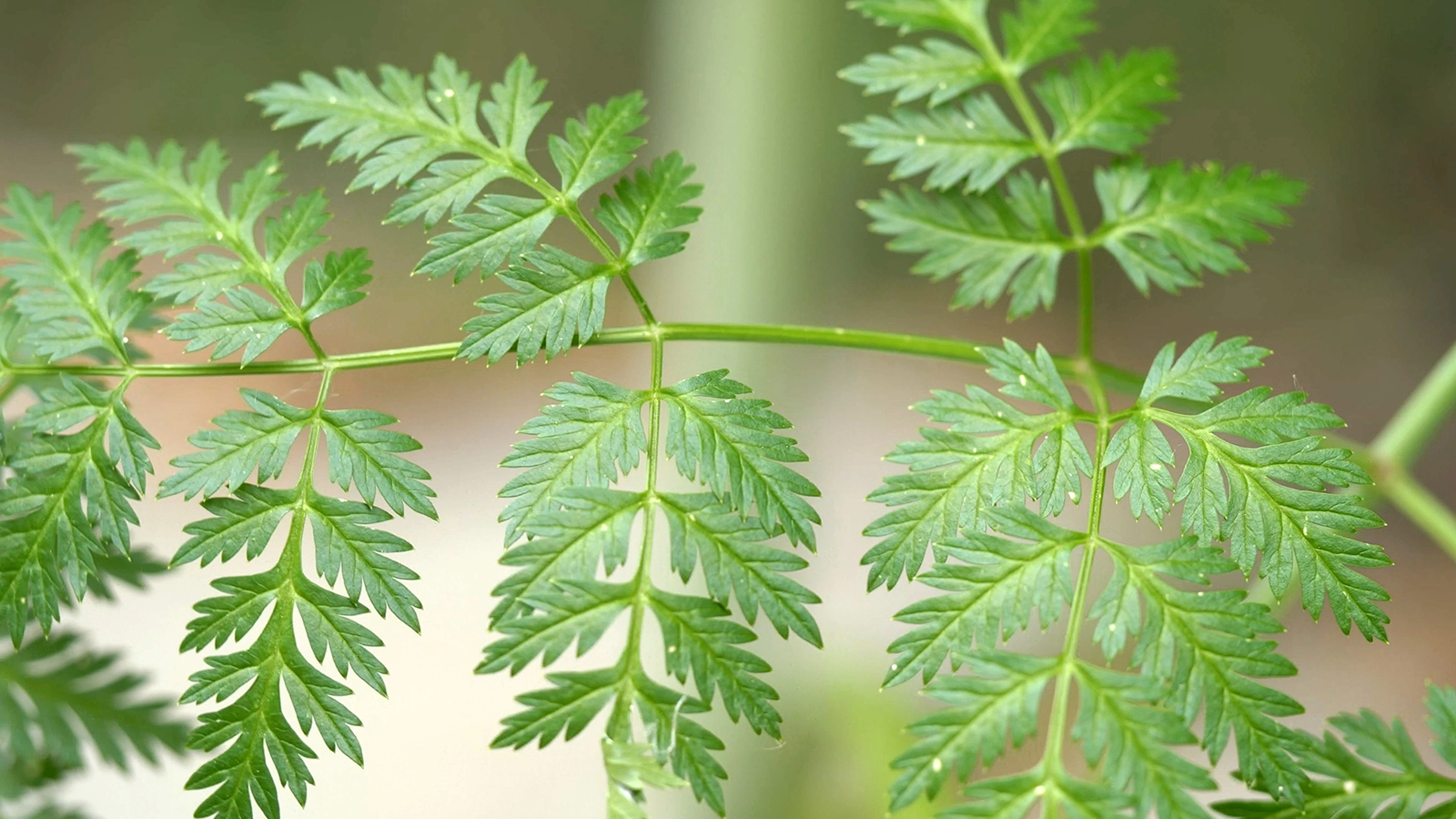
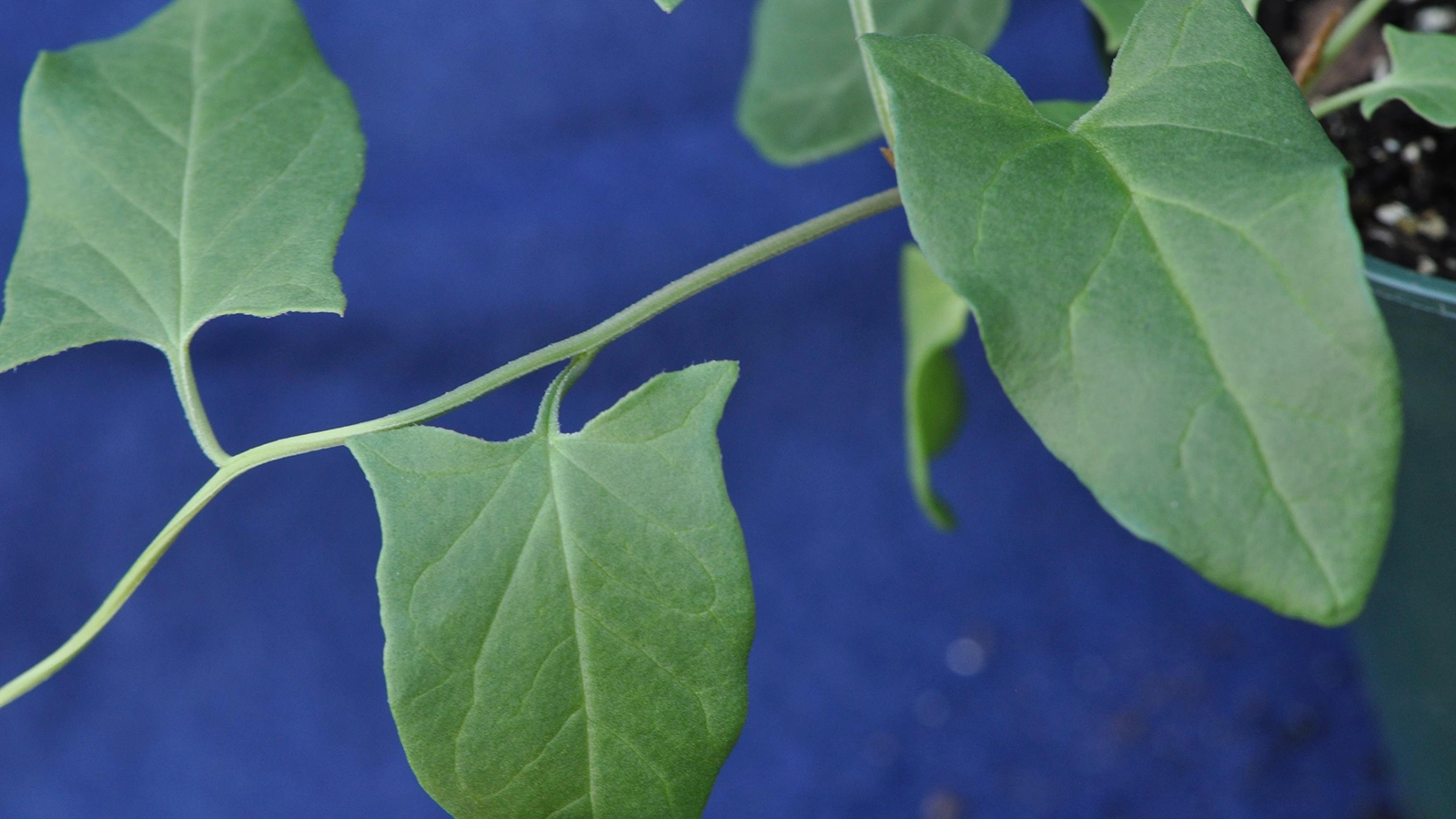
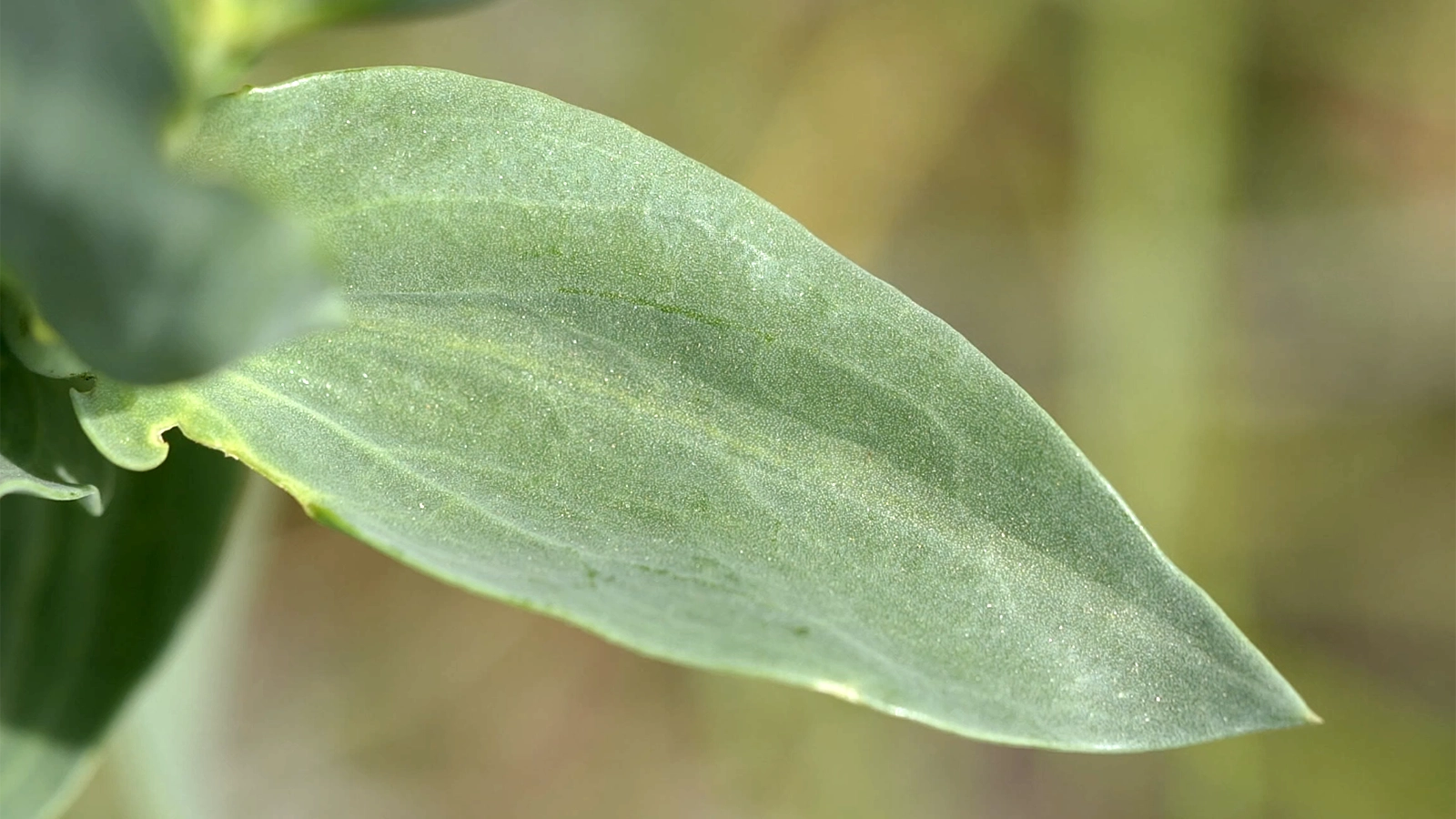
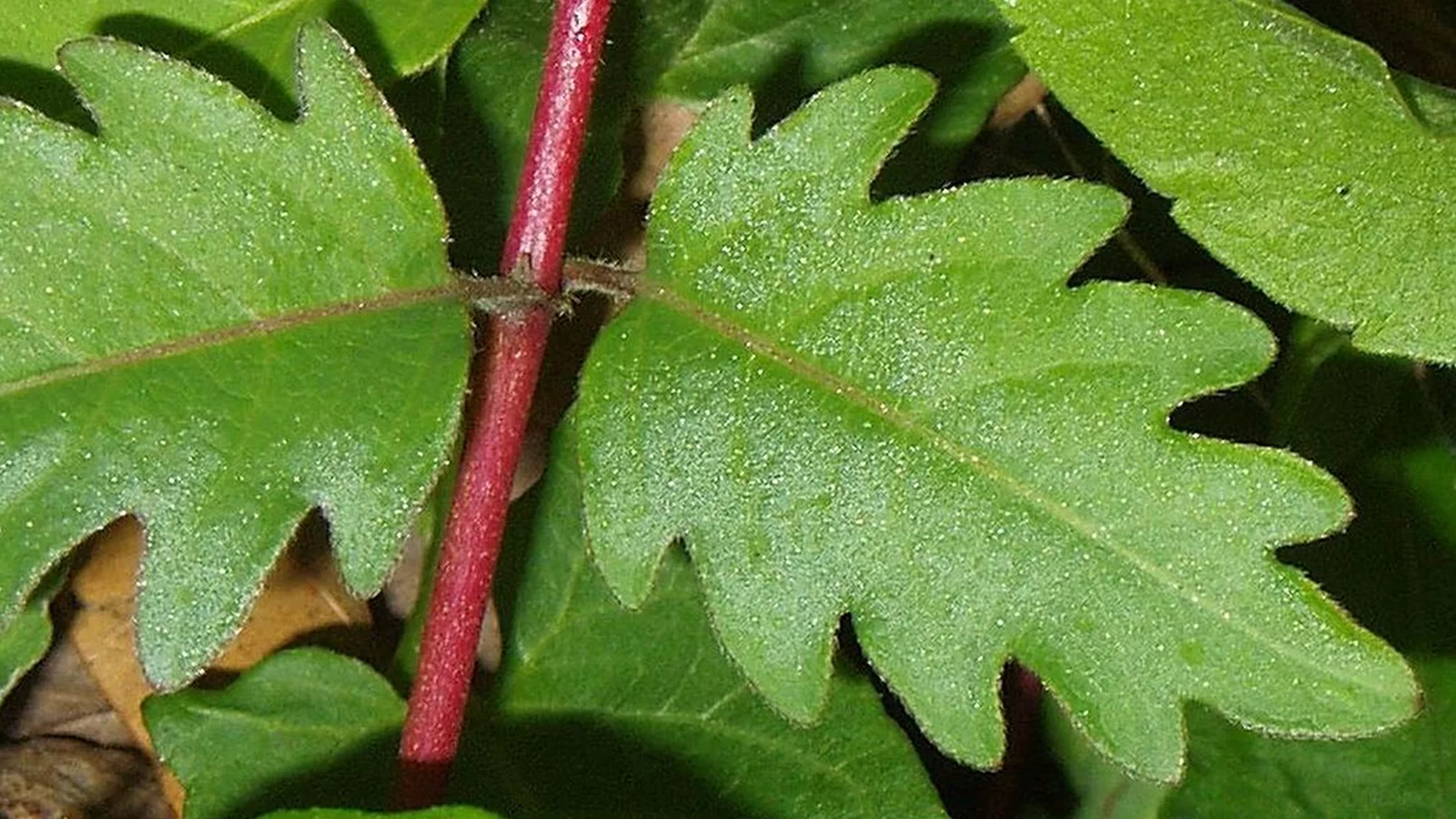
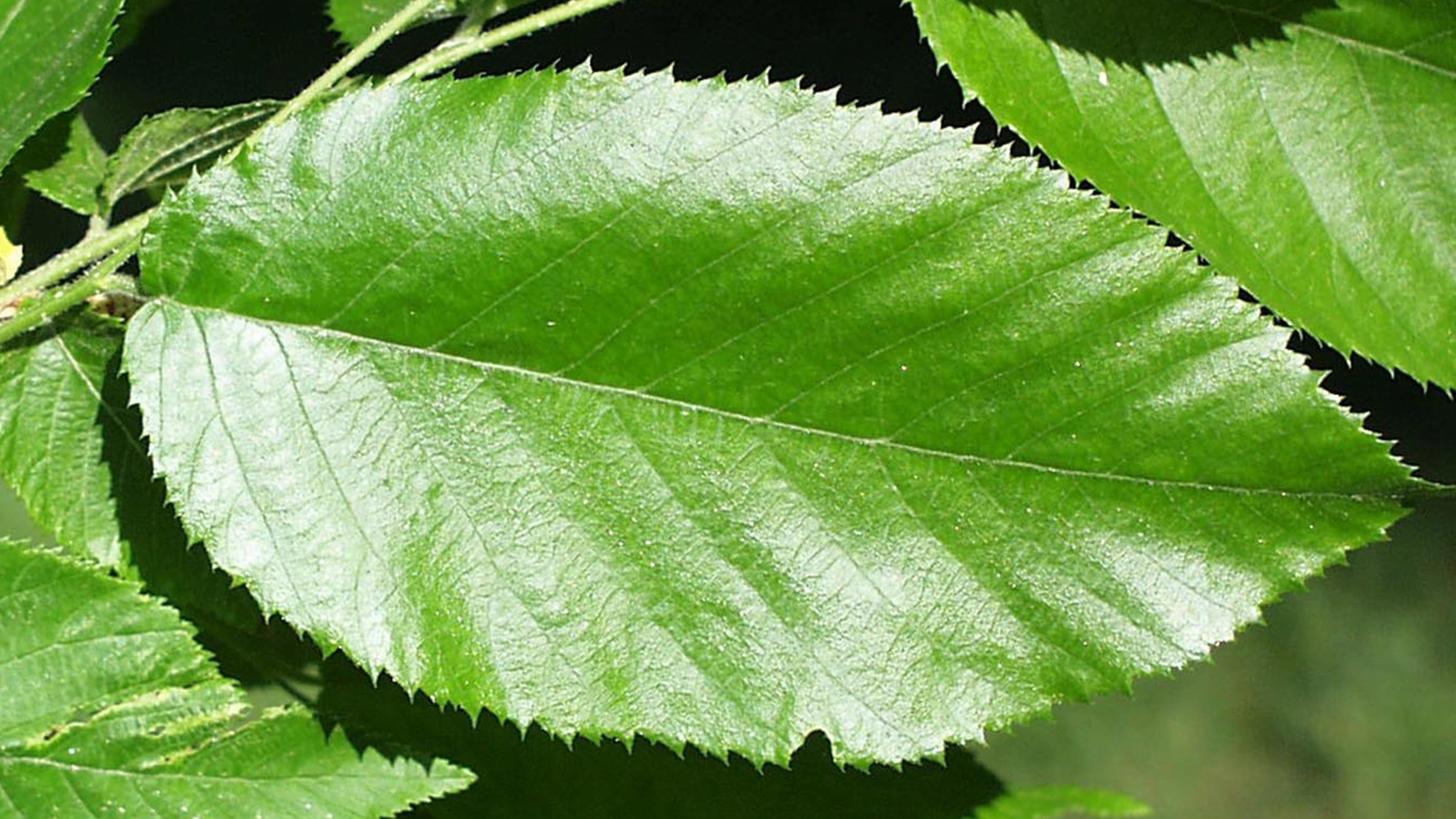
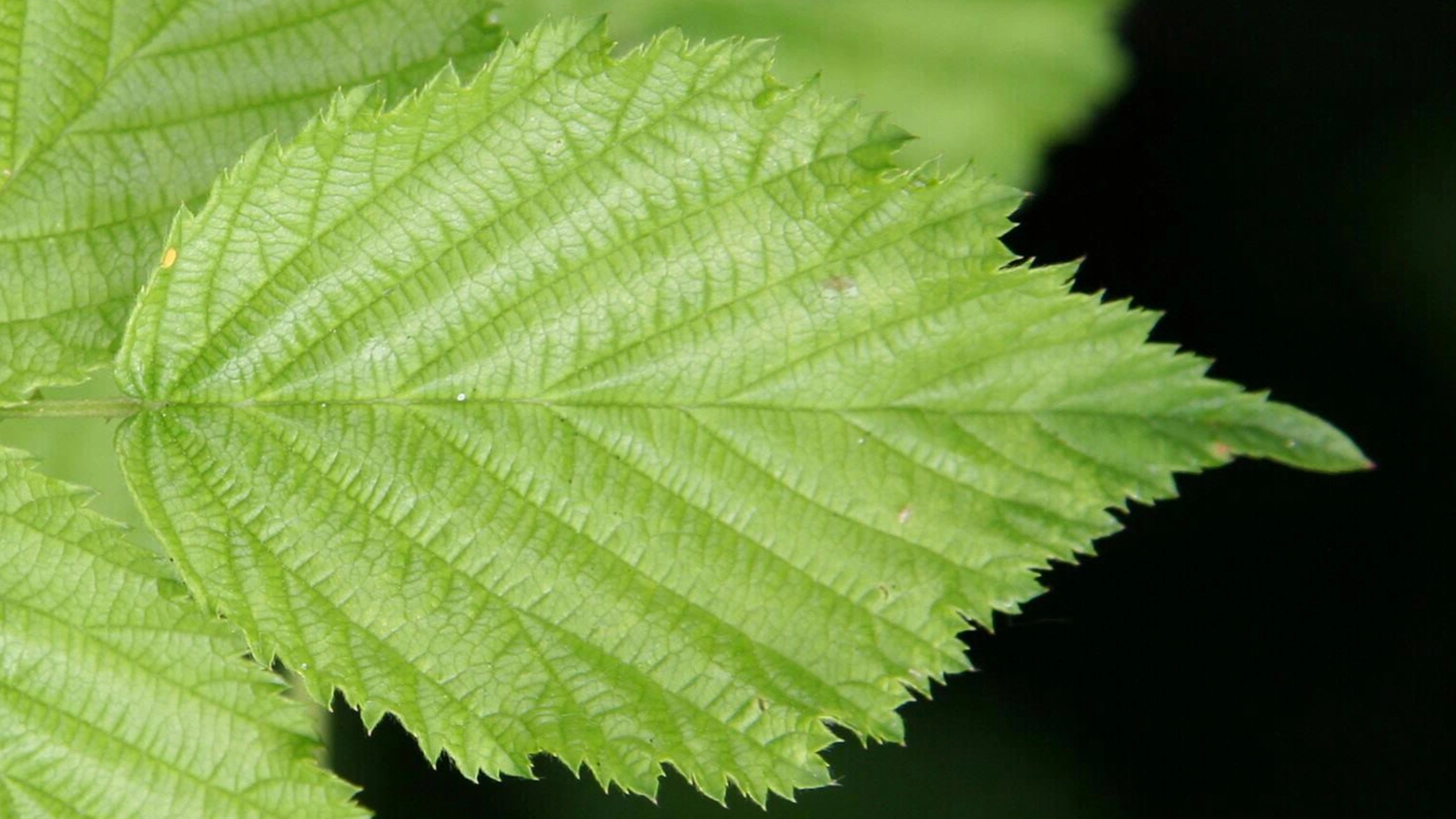
Leaf margins are typically smooth, lobed, or toothed. Smooth margins are fairly straight and smooth along their entire length. Lobed margins rounded segments that may be either shallow or deep. Toothed margins (also called serrated) are saw-like with teeth on the edge that may be different in size. Some margins are doubly toothed where the individual teeth each contain smaller teeth.
Root structure
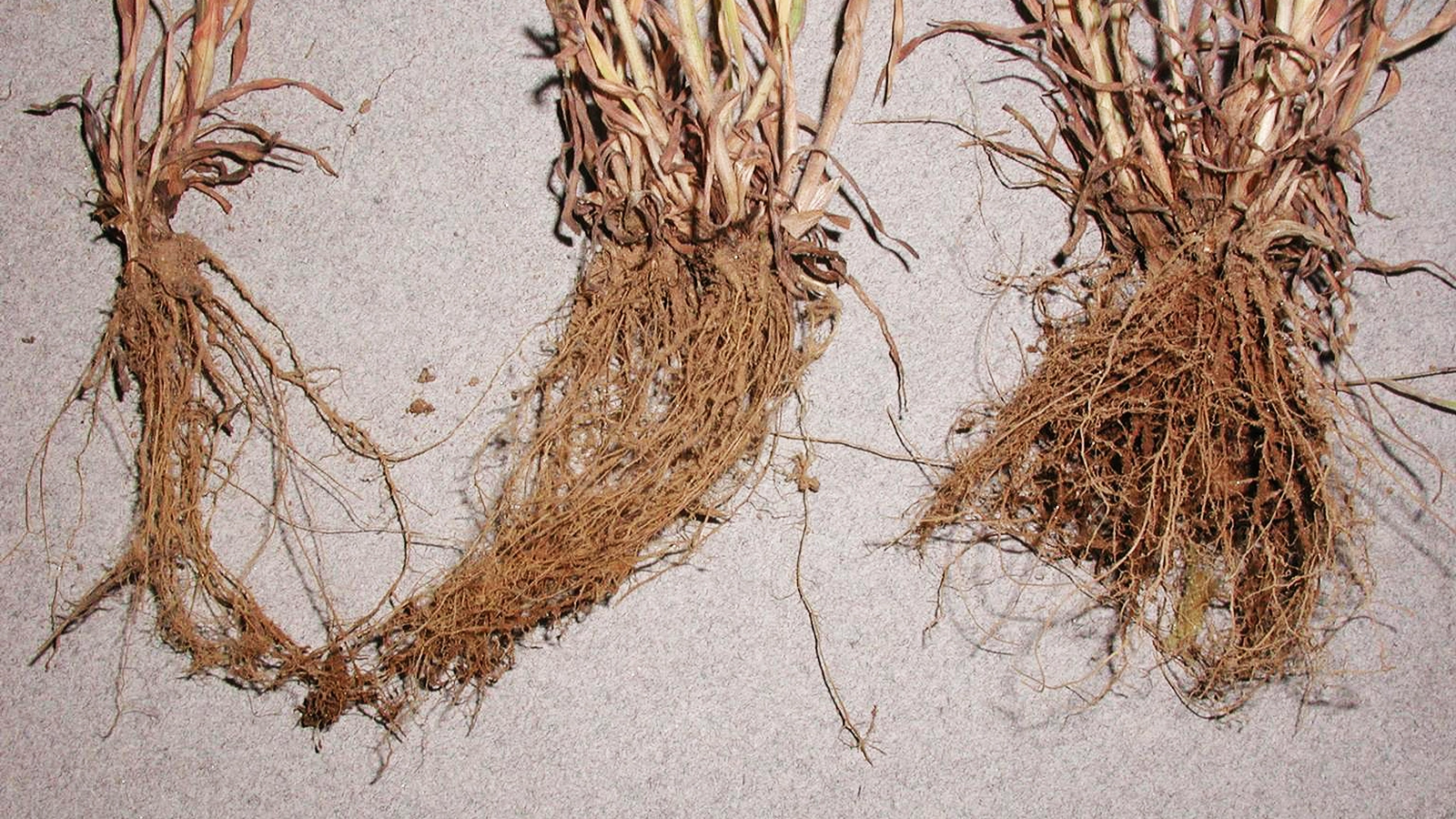
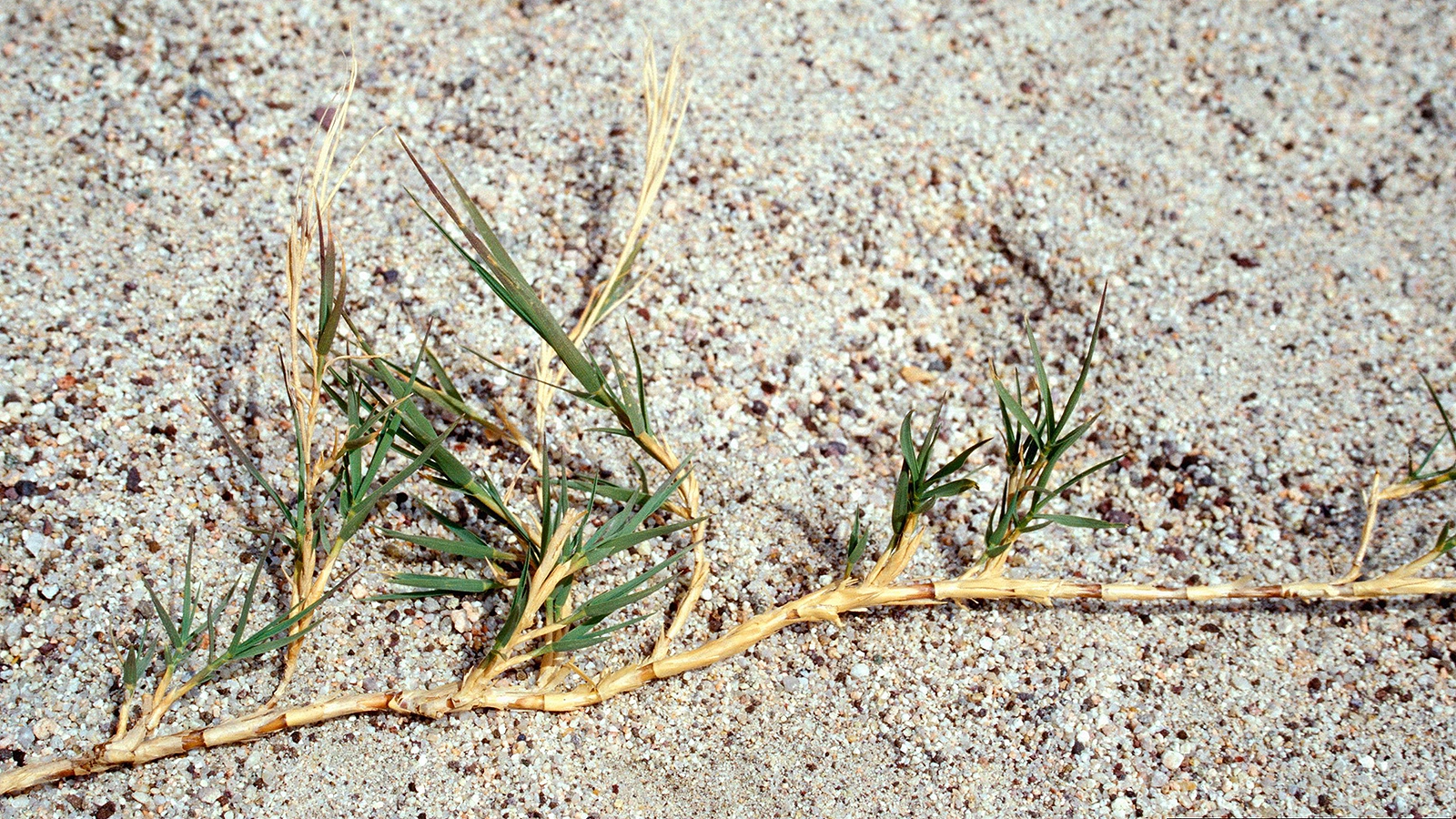
Many plants have either taproots or fibrous root systems. Taproots are thick, central roots from which smaller roots sprout laterally. Fibrous roots lack a main root and form a dense, branching network. Some plants also spread vegetatively through rhizomes—horizontal underground stems that produce new roots and shoots—or stolons (runners), which are stems that grow along or just below the ground surface and form new plants at nodes.
Flower structure
A typical flower has four main parts: sepals, petals, stamens, and a pistil. Sepals protect the developing flower and are often green and leaf-like, though they can vary in color or be modified into bracts; some flowers lack sepals altogether. Petals usually attract pollinators and are often colorful and showy, though they may be absent. Stamens are the male reproductive organs, consisting of a filament topped by an anther that produces pollen. The pistil is the female reproductive organ; it is typically shaped like a bowling pin, with an ovary at its base that contains developing seeds. Flowers are often grouped together in clusters called inflorescences.
Inflorescences
An inflorescence is a cluster of flowers arranged on a stem and is composed of a main branch or a complicated arrangement of branches. There are many different types of inflorescences, all of which can be useful in species identification. The descriptions of plants on this website tend to be more simplistic, using “clustered flowers” rather than describing the specific inflorescence category. The one exception is flower head (capitulum), a common inflorescence among North American weeds (see below).
Flower heads (capitula)
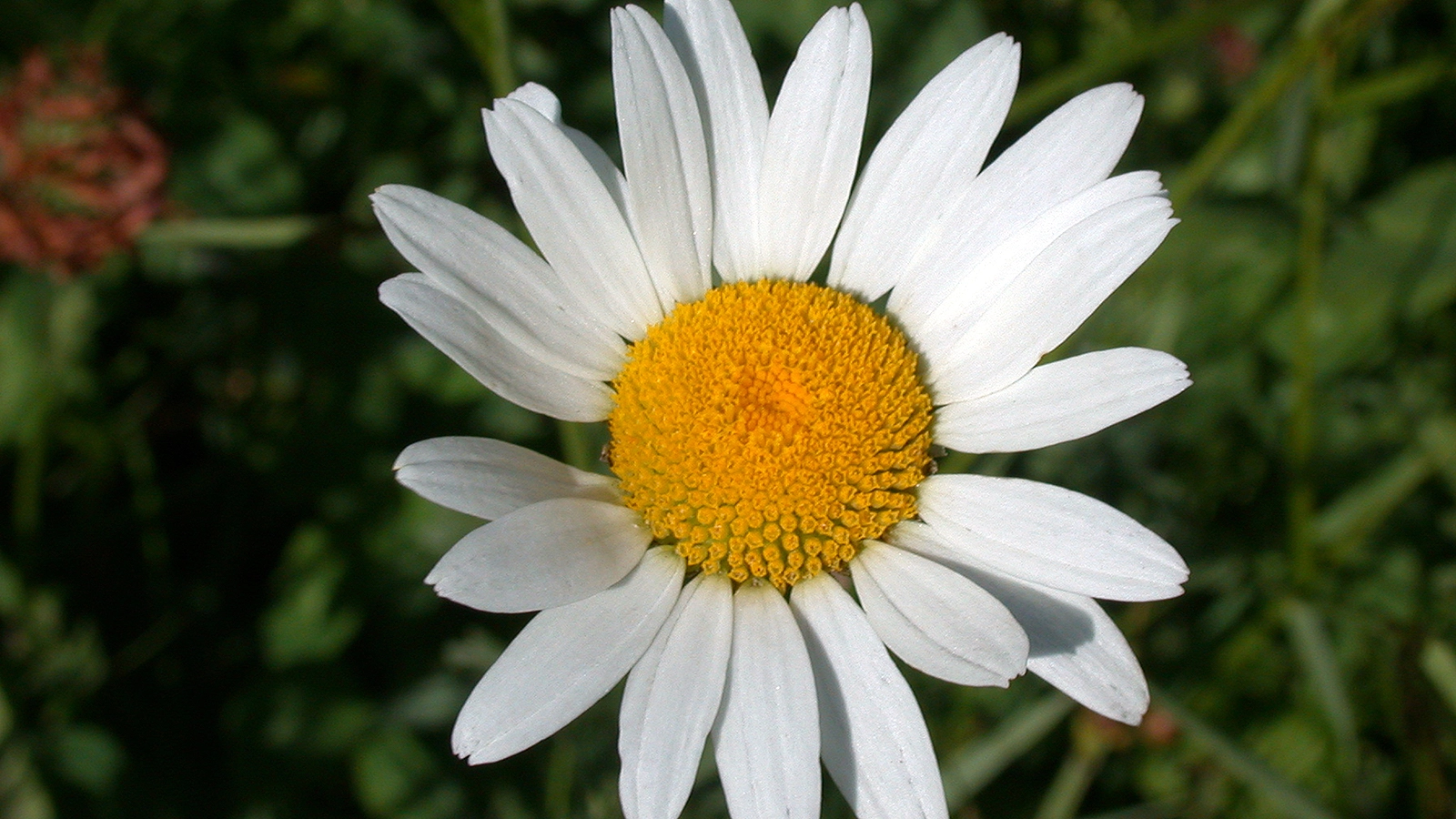
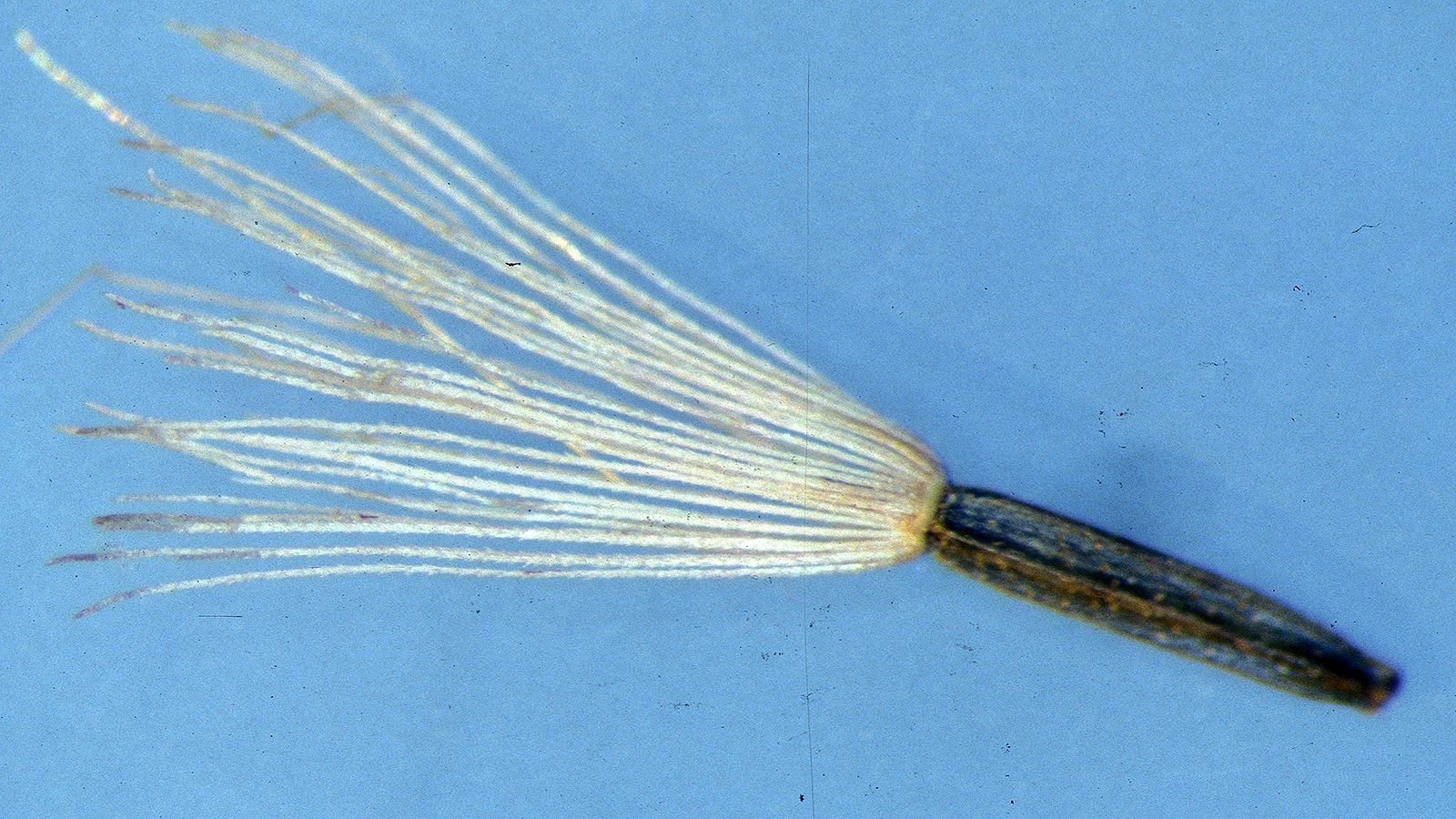
Many North American weeds belong to the sunflower family (Asteraceae), which produces flower heads made up of many small clustered flowers called florets attached to a receptacle. Florets are either disc or ray, and species may have one or both types. Modified leaves called bracts surround the flower head base. Floret and bract traits aid in species identification. Each floret produces one seed in mid- to late summer, sometimes with a tuft of fine hairs (pappus) like those of dandelion seeds.
Grass structure
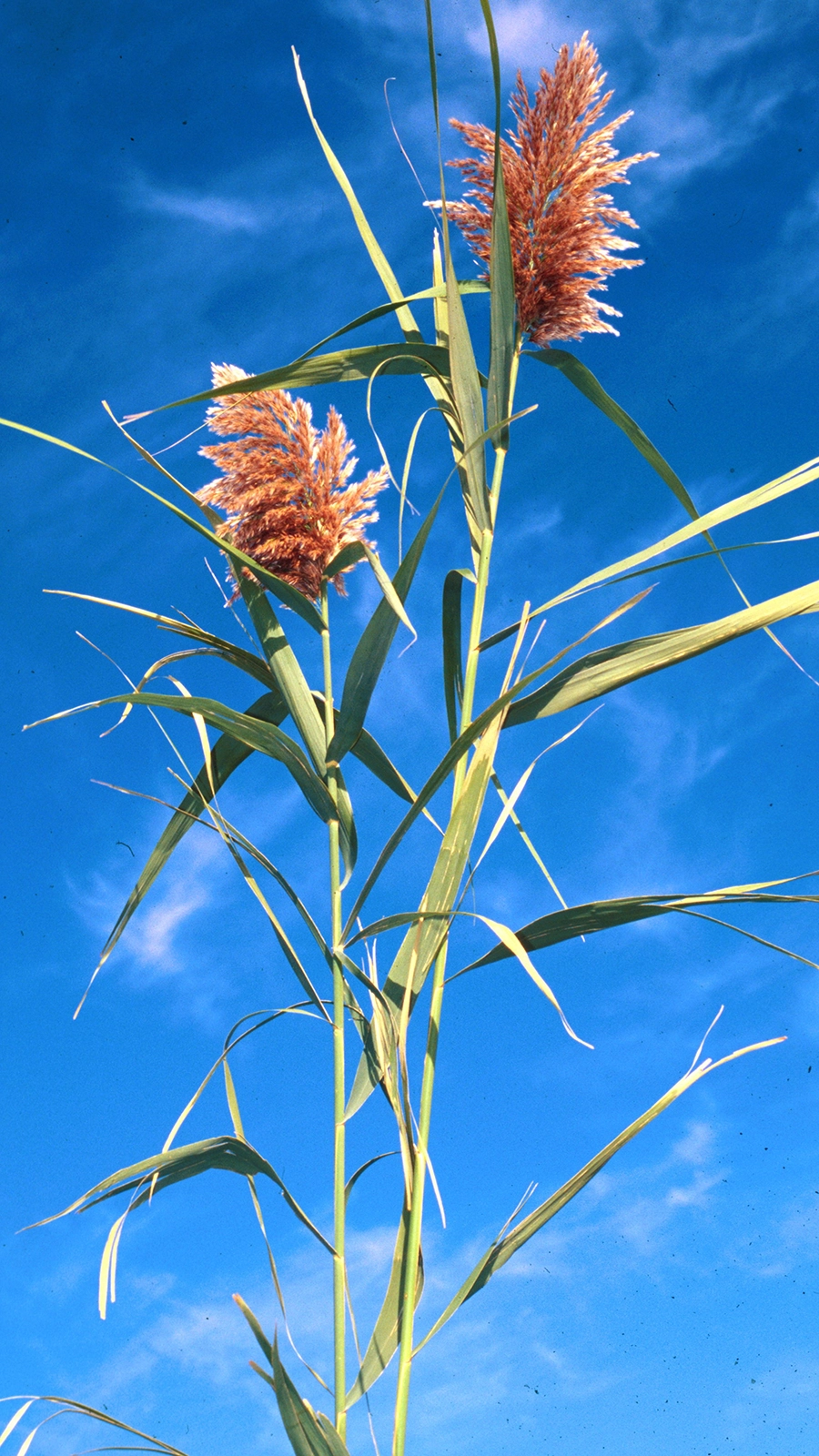
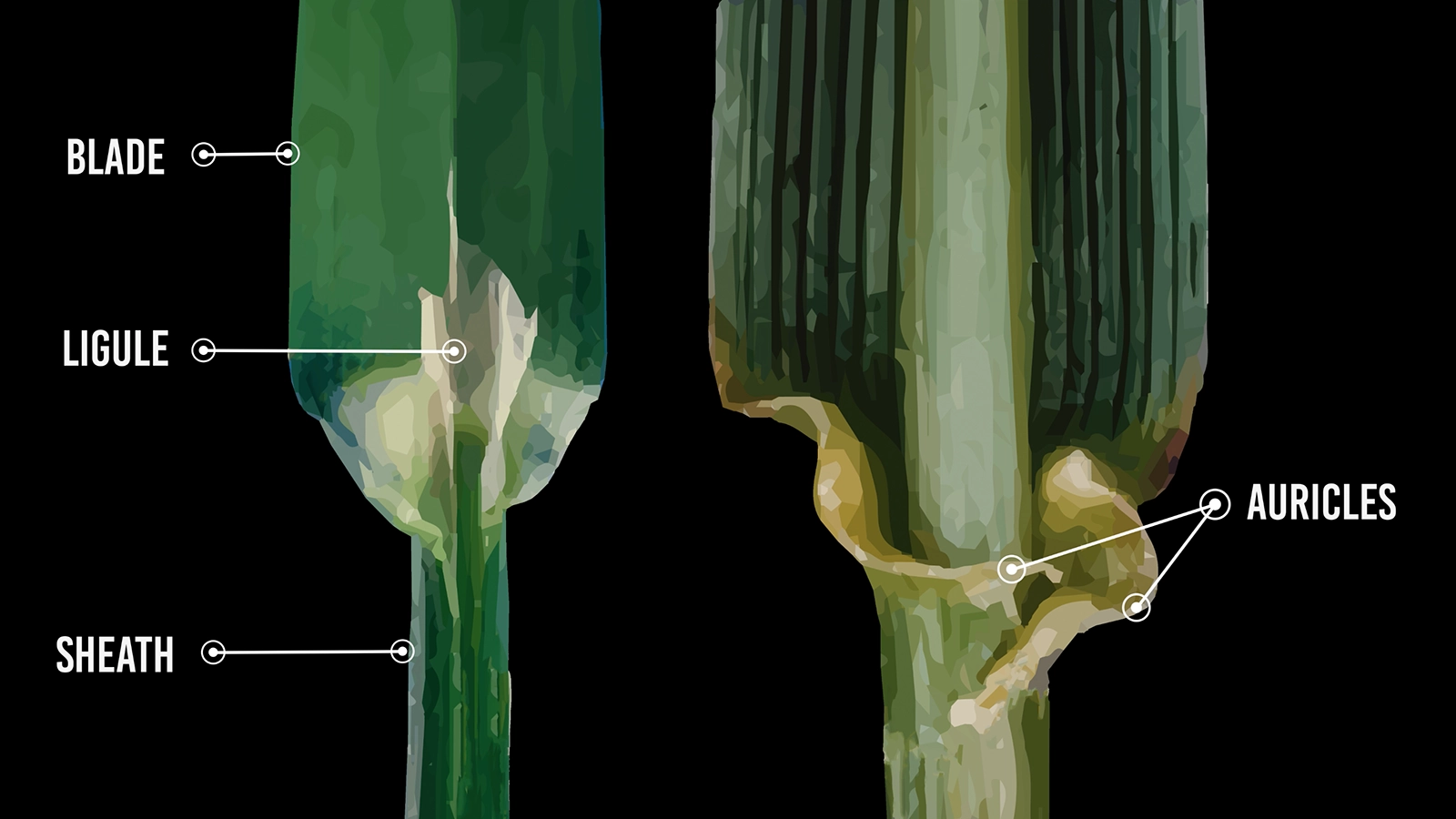
Grasses share many features with other flowering plants but also have distinctive traits useful for identification. Their inflorescences are seed heads made up of spikelets, each containing two glumes and one or more florets. Florets house the reproductive parts and are enclosed by a lemma and palea, which are modified leaves comparable to sepals and petals. Some species also have awns extending from the lemma. Leaf attachment is another diagnostic feature. The leaf sheath encircles the stem and opens into the blade. At this junction, a ligule may be present as a membrane or ring of hairs. Some species also have auricles—small, often finger-like outgrowths that clasp the stem.

 © Developed by MIA Consulting